

Author archive
Small SUVs You Can Buy in 2020
Judging by sales trends, the commanding popularity of owning and enjoying an SUV will continue into 2020. So, what can you buy this year if you’re looking to get into a small SUV with AWD? Let’s take a closer look.
Audi
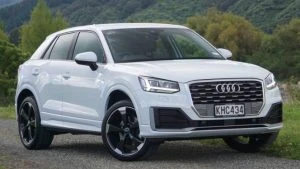
Audi Q2
Audi has the sparkling little Audi Q2 AWD. You can get this one in the Q2 TFSI 140 kW Quattro Sport mode with five seats, a 7-speed auto, petrol, 2.0-litre Turbo, 140 kW, 320 Nm, 5-star safety and with 6.4 litres/100 km fuel consumption.
For way more performance the hot little SQ2 TFSI 221 kW Quattro is stunningly quick. Available with five seats, a 7-speed auto, petrol, 2.0-litre, 221 kW, 400 Nm, 5-star safety and around 7.4 litres/100 km fuel consumption.
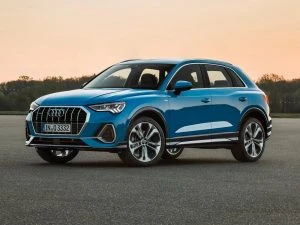
Audi Q3
Audi also offers the slightly larger Audi Q3 with Quattro underpinnings and good looks. You will enjoy the new Q3 45 TFSI with five seats, a 7-speed auto, petrol, 2.0-litre, 132 kW, 320 Nm, 5-star safety and around 6.7 litres/100 km fuel consumption.
The punchy performance of the Q3 S-Line 45 TFSI will delight. It comes with five seats, a 7-speed auto, petrol, 2.0-litre, 169 kW, 350 Nm, 5-star safety and around 7.6 litres/100 km fuel consumption.
BMW
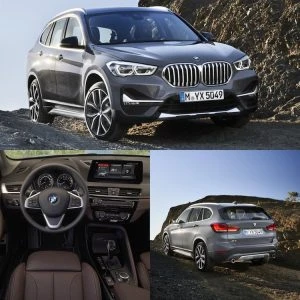
BMW X1
The smallest BMW SUV with AWD is found in X1 guise. Known as the BMW x-Drive 20d 4×4 you have something quite special to get yourself around. The Twin-Turbo diesel is a beauty with plenty of pep, great driving dynamics and low fuel usage. It comes with five seats, an 8-speed auto, diesel, 2.0-litre, 140 kW, 400 Nm, 5-star safety and around 4.8 litres/100 km fuel consumption.
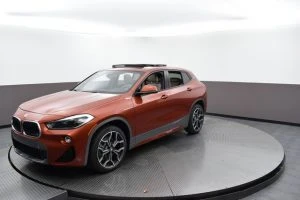
BMW X2
BMW also offer a small SUV in the form of the X2 AWD. The X2 has low, sleek lines; however it still has SUV status. You can get this nice looking, nice driving vehicle with five seats, an 8-speed auto, petrol, 2.0-litre, 141 kW, 280 Nm, 5-star safety and around 6.5 litres/100 km fuel consumption.
Honda
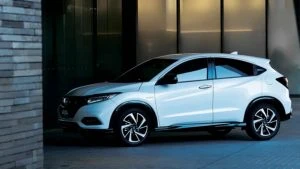
Honda HR-V AWD
The smallest Honda SUV comes in the form of the HR-V. Available with AWD, five seats, auto, petrol, 1.5-litre, 96 kW, 155 Nm, 5-star safety and around 5.3 litres/100 km fuel consumption. The HR-V won’t break any land speed records but it does deliver comfortable, efficient transport with loads of technology and safety features.
Hyundai

Hyundai KONA AWD
Hyundai offer their small SUV in AWD as well as in FWD. Both the 1.6T AWD and the 1.6T Elite AWD use the same engine and underpinnings with the difference being price and equipment levels. With a new Hyundai KONA AWD SUV you will enjoy five seats, a 7-speed DCT transmission, petrol, 1.6-litre, 130 kW, 265 Nm, 5-star safety and around 6.7 litres/100 km fuel consumption. The KONA’s nice styling, price and drive add up to a nice experience.
Jeep
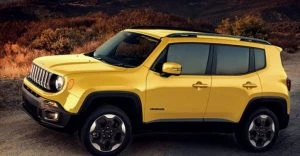
Jeep Renegade
Yes, you can get yourself a legendary Jeep as a small SUV. Jeep’s compact SUV has all of Jeep’s 4×4 mastery with its proven technology and ruggedness always a hit. Known as the Jeep Renegade Trailhawk; with this model you have serious off-road potential that boasts low gearing for tough terrain. You also get five seats, an auto gearbox, petrol, 2.4-litre, 129 kW, 230 Nm, 5-star safety and a fuel consumption of around 7.5 litres/100 km.
Lexus
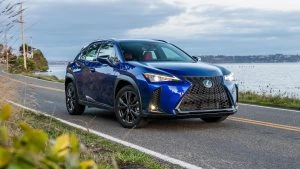
Lexus UX250H
The smallest Lexus SUV with AWD comes in the form of the UX250H; and it’s a hybrid. Sleek lines, plenty of style, loads of luxury, excellent performance and handy cabin space make the new Lexus UX250H a discerning small SUV choice. The UX has also been designed by a female engineer who also had a hand in the CT200’s design. This comes with five seats, an auto transmission, hybrid – petrol/electric power, 2.0-litre combustion, 135 combined kW, 190 Nm, 5-star safety and a fuel consumption around 4.7 litres/100 km.
Mazda
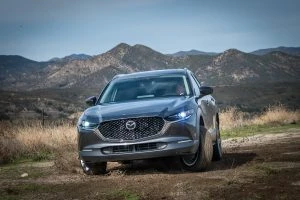
Mazda CX-3 AWD
A real winner with equally nice looks and a nice drive, it’s hard to walk by a new Mazda CX-3 AWD. Known as the CX-3 GSX AWD, you get a small SUV that has all the style as well as a comfortable interior, great technology and a fun drive. The CX-3 AWD comes with five seats, an auto gearbox, petrol, 2.0-litre, 110 kW, 5-star safety and a fuel consumption around 6.7 litres/100 km.
Mercedes Benz
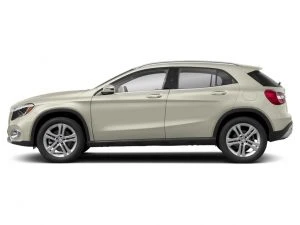
Mercedes Benz GLA AWD
As a compact SUV, the new Mercedes Benz GLA AWD versions though almost car-like do offer some SUV credentials. It is based on the A-Class platform and is excellent – as you would expect. It is Mercedes Benz after all! This offer one of the nicest cabins in this class of car, particularly when you add the huge centre touchscreen and figure-hugging seats. These are also really nice driving cars with superb performance. If you don’t mind the higher price, then you’ll love these.
The Mercedes Benz GLA 250 4Matic has five seats, an auto gearbox, petrol, 2.0-litre, 155 kW, 350 Nm, 5-star-safety and a combined fuel consumption of around 7.0 litres/100 km. The Mercedes Benz GLA AMG 45 4Matic is the most powerful small SUV money can buy. It’s also the priciest! With this model you get five seats, an auto gearbox, petrol, 2.0-litre, 280 kW, 475 Nm, 5-star safety and a combined fuel consumption of around 7.5-litres/100 km. A 0-100 km/h dash can be performed in around five seconds.
Mitsubishi
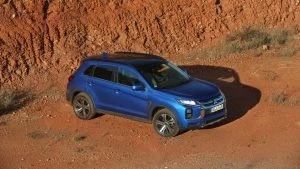
Mitsubishi ASX AWD
Mitsubishi offers the excellent new ASX XLS AWD. This small SUV has a very modern style and offers its power from the excellent 2.2 turbo-diesel engine. This is a standout performer and perfectly matched for the ASX AWD version. The 2020 ASX cabin is comfortable, stylish and safe. You get the AWD version with five seats, auto, diesel, 2.2-litre, 112 kW, 366 Nm, 5-star safety and a 6.0 litres/100 km fuel consumption.
Nissan
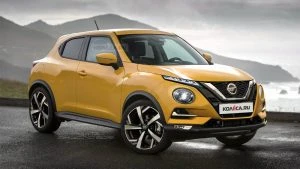
Nissan Juke AWD
Nissan Juke has its small AWD model with the funkiest styling in this class. It’s all about cool looks, style and fun with this one. You can get the AWD Nissan Juke in Juke Turbo form which delivers a great drive, tidy handling and plenty of personality. The Nissan Juke Turbo has five seats, auto, petrol, 1.6-litre, 140 kW, 240 Nm, 5-star safety and a punchy drive with a fuel consumption of around 7.4 litres/100 km.
Ssangyong
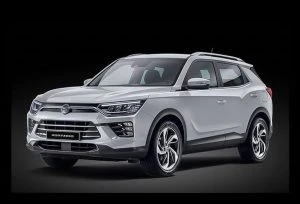
Ssangyong Korando AWD
Very plush and comfortable, the 2020 Ssangyong Korando looks good and is nice and practical. Offered in AWD as the Korando 2.0 TDi it comes with a good price, five seats, auto, diesel, 2.0-litre, 129 kW, 360 Nm, 5-star safety and around 7.3 litres/100 km fuel consumption. This is proving a popular buy around the world, and for good reason too; this is a solid, stylish, nice driving and comfortable small AWD SUV.
Subaru
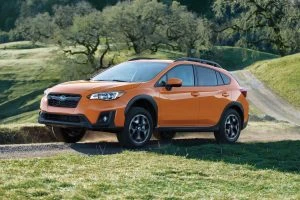
Subaru XV AWD
Based on the Impreza platform, the new Subaru XV 2.0i Sport and Premium models are very handy off-road, while remaining dynamic on-road. This is a competent, stylish small SUV that can easily scamper off road when required. Both the Sport and Premium models come with five seats, auto, petrol, 2.0-litre, 115 kW, 196 Nm, 5-star safety and around 7.0 litres/100 km fuel economy.
Suzuki
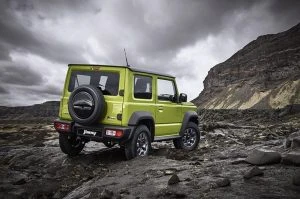
Suzuki Jimny 4×4
The extremely desirable and popular little Suzuki Jimny has impressed worldwide and is available in Australia with plenty of options for trim, technology and trim levels as well as manual and auto options. These are a delightful 4×4 SUV to drive with the added benefit of being able to tackle some serious off-road terrain. Even experienced 4WDers rave about them. This latest model has delivered and offers plenty for the adventurer. Manual versions are fractionally more fuel efficient, being able to return around 6.4 litres/100 km compared with auto versions which are around 6.9 litres/100 km. Both the Suzuki Jimny Sierra and Sierra 2 Tone offer five seats, auto and manual options, petrol, 1.5-litre, 75 kW, 130 Nm and 3-star safety.
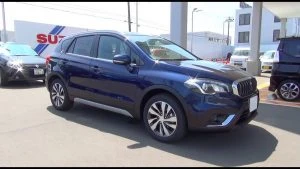
Suzuki S-Cross AWD
Suzuki’s S-Cross is really a glorified Hatchback with a higher small SUV riding stance, a peppy little engine, excellent build quality, and all at a handy price. The AWD version is known as the Suzuki SX4 S-Cross LTD AWD, and it is nice and comfortable to drive. It’s also nice and practical with genuine seat comfort and space. You get five seats, auto, petrol, 1.6-litre, 88 kW, 156 Nm, 5-star safety and a 6.3 litres/100 km fuel consumption.
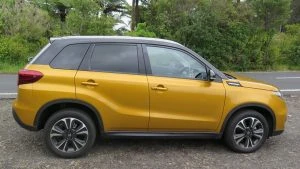
Suzuki Vitara AWD
With its nice styling, safety and comfort, the new Vitara is a very well-priced small SUV with great driving dynamics too boot. It’s based on the S-Cross platform. The latest Vitara has been pumped with high-tech safety features and also shows off its bold styling in many bright colour combinations. You’ll have fun with this one, and the Vitara is well built too. The Suzuki Vitara JLX AWD is the base model and offers five seats, auto, petrol, 1.6-litre, 86 kW 156 Nm, 5-star safety and 6.3 litres/100 km fuel consumption. The Suzuki Vitara Turbo AWD and AWD 2 Tone are great fun cars to drive. With these you get five seats, auto, petrol, 1.4-litre, 103 kW, 220 Nm, 5-star safety and 6.2 litres/100 km.
Toyota
Finally, to wrap up the available new small SUV drives, the Toyota C-HR is superbly built, nice to look at, comfortable and has hybrid technology. 2020 has the C-HR with smoother lines and a special Toyota Safety Sense suite. This is a reliable performer, and a small SUV drive that delivers AWD traction which is great for gravel roads as well as city streets. The Turbo AWD, Limited AWD and Limited AWD 2 tone all offer five seats, auto, petrol, 1.2-litre, 85 kW, 185 Nm, 5-star safety and an average fuel consumption of around 6.5 litres/100 km.
As you can see there is plenty of choice in the abundant selection you’ll find in the small SUV market place. Today’s modern technology, new materials and reliability make for enjoyable new car ownership. You can see why plenty of people are ditching their small hatchbacks for a more solid small SUV stance.
Designers, Please Explain This Feature
 Over the Christmas and New Year holiday season, we went on a good old-fashioned road trip – well away from where all those horrible fires have been happening. In keeping with old-fashioned road trips, we decided that this was a good time to give our 2000 Ford Falcon AU a chance to show its paces. It’s been my husband’s doer-upper and mancave tinkering project for a while now, so why not? It certainly behaved itself nicely on the road and was comfy for long journeys. However, it had one little design feature that puzzled me and certainly gave us something to talk about during the more tedious stretches of the road once we’d exhausted the topic of how appalling the fires are, what caused them, the smoke haze, etc. etc.
The feature in question in the boot. The boot doesn’t have one of those old-school buttons that unlatches the boot on the boot door itself. Instead, you have to unlock the body of the car and put the key in the ignition and turn it on one click then press a button on the dashboard – which is rather faded on this 20-year-old vehicle. Slightly fiddly, yes, but no worse than what you have to do with my mother-in-law’s Suzuki Kizashi that uses an auto-unlock key fob. The automatic key fob might seem like a brilliant idea when you’re approaching the back of the Kizashi with your hands full – and my mother-in-law loves this feature – but it’s a bit of a nuisance when you want to send one of the kids to go and get Gran her cardy out of the boot please, dear. This means that the keys have to come out of wherever Gran’s put them and it takes a less experienced person to hold the fob in exactly the right way before the boot’s opened and Gran has to go and show the kiddies how to do it properly.
Anyway, back to the boot of the Falcon. Despite the need to have the keys in the ignition to open the boot from the outside, the boot itself has a mechanical boot hatch release lever. On the inside of the boot. In a sedan. A sedan where you can’t open the boot mechanically from the outside and where the body of the car has to be unlocked before you can open the boot. When on earth will you use this lever?
The lever is no good in the all too common scenario of accidentally shutting your keys in the boot. In fact, if you unlocked the Falcon’s boot, took the keys out of the ignition, locked the doors and then accidentally dropped the keys in the boot before slamming it shut, you would be in the poop, as you would have access to neither boot nor cabin. So the mechanical lever was no good for that situation.
If you couldn’t get out of the car doors for some reason but you were inside the cabin of the sedan, you could possibly exit via the boot. In the unlikely scenario that you opened the boot, took the keys out of the ignition again, then shut them in the boot, you could do the same. This would require you do fold the rear seats of the sedan flat and move the luggage out of the way first. Fortunately, the seats do fold flat, allowing access into the boot, although I haven’t tried this myself. The load-through slot that appears when you fold down the arm rest and the cupholders is far too small for anybody over the age of three to squeeze through. You could, in theory, reach the mechanical lever by reaching through the load-through slot but only if (a) you had arms like an orangutan and (b) the suitcases and the picnic basket aren’t in the way, as the boot release lever is nearer the front of the boot.
The only time that you would be able to use that release lever is if you were riding inside the boot of this sedan and the hatch door was closed. Again, when would this happen? In the rather dangerous and illegal case where you’ve got a sixth person needing to ride in the car and you’re out of seatbelts, you could smuggle that person in the boot. This is NOT RECOMMENDED (although I’ll admit to having taken a passenger this way once over 20 years ago – and it wasn’t in Australia, either). However, even then, the passenger riding in the boot wouldn’t want to open the hatch and get out while the car is moving. He or she would have to push open the load-through slot and ask the driver to stop. Then the driver could also push the button to open the boot as well, so the lever wouldn’t be used anyway. However, if everybody else had left the car and someone was still inside the boot, they could let themselves out – and the only times we could see this happening was if someone was trying to stow away on a ferry or sneak into, say, a music festival or military base without the gatekeepers noticing.
After much discussion, we figured that the only time you’d really want to use the inside boot release lever is if you had been kidnapped and shoved in the boot, and you wanted to alert other road users to the fact so that you can be rescued – or so you can jump out of the boot.
I am somewhat aghast that the designers built in a feature that is only useful in the case of being abducted or when doing something illegal. Did they really think that cases of kidnapping are that common? Did they design a car that’s useful for sneaking in unofficially or for people smuggling? WHAT WERE THEY THINKING????
If anyone can throw any light on this feature, I would love to know. Please give us your best speculations in the comments!
Peace On Earth – And The Roads, Specifically
 Temperatures are soaring as we prepare for the Christmas and New Year holiday season. A lot of us are looking at the cliched images of snow and holly berries, and listening to so-called Christmas music that should really be called “winter music” with a certain level of cynicism and irony. Driving home for Christmas – whether it’s interstate or across town – can be a bit stressful as we get all hot and bothered. There’s a lot to do and a heap of places to go, and we’ve got to haul the kids around with us now that the schools are out for summer.
Before we blow a gasket (metaphorically and emotionally – not inside your car engine), maybe it’s time to take a deep breath and remember the reason for the season. Time for a bit of peace on the roads and goodwill towards our fellow motorists (and our passengers and ourselves). One way that you can do this is being a little bit kinder to everybody – and your car as well.
Be kind to your car, yourself and your passengers by making sure that you’ve topped up all the fluids that you’re supposed to (water, oil, etc.). If you can, book your car in for a service if it’s time or if you’ve noticed things getting a bit wonky. There are few things worse than having the car die on you during the holiday season when you’re miles from your planned destination and the mechanic’s garage is closed (been there, done that – at least it happened in a sizeable town and we found a nice place to stay the night and discovered a neat little café). However, bear in mind that your mechanic is probably worked off his or her feet at the moment because everybody’s trying to get their vehicle ready and the mechanic wants to go on holiday too. Book early and don’t leave it until the last minute!
Be kind to your passengers, especially if they’re children. It’s not realistic to expect kids to sit for hours on end doing nothing, especially when it’s hot. Make sure that your air con is working properly so people don’t get too hot during the journey. Staying well hydrated also helps prevent headaches, and cold water goes down a treat. Freeze a drink bottle overnight before your trip and it will slowly melt as the day goes by, staying deliciously cold. Keeping hydrated has the inevitable results, so make sure that you make frequent stops for the loo. Stick to water – it’s healthier, doesn’t make the seats sticky if they’re spilt and doesn’t leave you with sugar-amped kids getting fractious in the car seats.
If you’re going on a longer trip with children, then it can be a good idea to have a few special treats and toys that can be produced for the first time at the start of the trip. Make sure that you have a playlist (or CD or…) for everybody so the adults don’t go mad listening to twitty children’s tunes and the children don’t get bored with your Bruce Springsteen. As long periods in the car make for great bonding time, I don’t recommend kitting kids up with headphones and electronic devices; take the time to interact while you’ve got it. Don’t forget a few old-fashioned car games!
No matter what age of passenger you’ve got with you or even if you’re travelling alone, make sure you stop frequently to stretch your legs and get a bit of fresh air. This helps you stay alert, which is kinder to everybody else on the road, as you’ll be a better driver for it. It’s also kinder to your back and your overall health – go for a little walk as well as using the loo and/or filling up with fuel. Allow time for this and take your time. Enjoy the trip rather than merely focussing on getting to your destination.
While on the topic of health, it’ a good idea to pre-plan travel snacks and food. The sort of thing you pick up in most places tends to be stuffed with all the things you’re not supposed to eat (trans fat, sugar, additives). You can generate a lot of plastic waste as well, and spend a truckload while you’re at it. The good news is that fruit is in season, so it’s healthy and cheap. Maybe make a few sandwiches or take the doings for them in the esky.
Remember to be kind to your fellow motorists. Everybody is in a hurry, everybody is hot and everybody is a bit stressed with all the things they need to do. This means that you don’t need to always rush and cut in. Let people into the stream of traffic at intersections and on the way out of the car park. If we all did this, the roads would really be a more peaceful place. I’ve written on being a polite driver elsewhere – bear these tips in mind and don’t be that rude driver everybody hates.
Last but definitely not least, although it’s the season when we all indulge a little bit more, the rules about not drinking and driving still apply. Don’t ruin someone’s holiday by causing accidents, injuries or deaths. It’s just not worth the risk and if you’ve already spent a bit on pressies and food, then you don’t want to add a fine from the cops into it as well. There are loads of nice non-alcoholic cocktails and drinks out there, and it’s a lot more socially acceptable not to drink alcohol at parties. Given the season, a Virgin Mary (like a Bloody Mary but minus the hard stuff) is rather appropriate… Appoint a sober driver or plan to stay overnight if you want a tipple.
Whatever you’re doing over this Christmas, wherever and however you’re celebrating, we hope that you have a great one and that you stay safe on the roads. See you in 2020!
AC and Keeping Cool in the Car this Summer

Crikey, we’re having a hot summer, for sure. The heat outside can be unbearable some days. Thanks to Willis Carrier, a 25-year-old engineer from New York, who in 1902 invented the first modern air-conditioning system we now have an invention developed further into what we now have for cooling our buildings and automobiles. Willis’s system sent air through water-cooled coils, and was designed to control humidity in the printing plant where he worked. People in Iran, Australia, Egypt and the Middle East know all about the benefits of having water held around dwellings so that any breeze passing over the water will be cooled thus providing a very pleasant space for people on the downwind side of the water source. This cooled space is delightful on a very hot day.
The concept of pushing hot air over cool water and cooled refrigerant has also been developed in cars, and thus we have what is known as the air-conditioning unit, used in many of the cars that we drive. More fancy cars use a climate control system which can automatically adjust the system to keep the cabin at a pre-set temperature.

It makes sense to keep your vehicle’s air-conditioning unit in good shape, so make it a habit to get it checked over every couple of years prior to summer kicking in – particularly when you sense that the air-conditioning system is running a little below par. In Australia, where it is common for the temperatures to soar well into the high 30’s, and beyond, having a car with a properly functioning air-conditioning system is a must. It becomes a safety issue, really!
The main reasons your air-con won’t be working are: a blocked condenser, the compressor no longer works properly, there is no more gas in the air-conditioning system, there could be a refrigerant leak, a relay problem or any other electrical issue. Automotive air conditioning professionals can diagnose why your car’s A/C system isn’t working and fix or replace the required components. Using the system more frequently helps it to keep ticking over for longer.
It’s also good to travel with plenty of water handy for hydration, and there are also some other simple and practical ways that will help you to stay cool in your car this summer. Did you know that tinting your car’s windows makes travelling on hot sunny days more comfortable? Window film cuts UV by 98% to protect your car and its occupants.
Sunshades are also very effective at keeping the sun and heat out of your car. They can be placed on the front and/or rear inside windows and keep the direct sunlight out of your car. Sunshades that attach to your side windows are also available from car accessory stores, nationwide.
Buying a car with reasonable engine performance and torque also ensures that the air-conditioning will run freely without taking too much away from the car’s overall performance and responsiveness. Every time you activate the air-conditioning it draws power from the engine.

The performance impact may only be small, but it is there – and over time it adds up. There are quite a few smaller, compact cars on the roads these days, and it’s worthwhile knowing that the effect of AC on engine performance is greater in these smaller vehicles than in those with larger engines – V6’s, diesels and V8s, for example.
Just so you know…
 Level 2, 9 Help Street