

Author archive
An Automated Way of Life
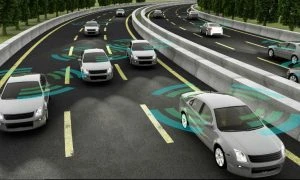
Instead of a person performing tasks like accelerating, braking, turning or changing lanes, an autonomous vehicle uses its sophisticated vehicle computer system to calculate, monitor and perform these everyday driving tasks itself. Australian governments are working together to make sure that automated/autonomous vehicles can be legally and safely used when they are available for purchase in Australia. Already today, some new cars have automated features such as self-parking, active cruise control or lane-keep assist. These features assist the driver with driving, but a licensed human driver is still in control of the car. Over the next few decades vehicles will likely become increasingly automated, and eventually a human will not need to drive a car at all. Think of the road network of the future being a giant computer programme that is performing the road transport requirements for the people.
Whether we like it or not, the onset of automated vehicles is upon us. In fact, in America, automatic road trains/trucks to get goods from one depot to the next is already reality. Several companies, including Aurora, Daimler, and Embark Trucks, are competing for a slice of the future of self-driving freight trucks. Waymo is also expanding its own self-driving trucking routes throughout the American Southwest and Texas, following previous tests in Arizona, California, Michigan, and Georgia. This long-haul automated trucking works well in America, and it could be key for Australian trucking companies in the near future. While most of the current use has been on iron ore and coal mines, the roll-out of autonomous fleets in Australia is spreading. Newmont, Australia recently announced plans to make the Boddington mine the world’s first open-pit gold mine with an autonomous haul truck fleet.
So maybe the order of automation roll-out might be trucks first along with public transport, and then private vehicles to follow? The implementation of autonomous vehicles isn’t a cheap dream. Understandably, the level of research and development, as costly as it is, is so important to ensure all road users remain safe in-and around an autonomous vehicle. The sort of research and development needed for safety reasons costs loads of money, and this (as always), along with the requirement of actually keeping people safe while implementing the use of autonomous vehicles, are the real brakes on the realization of the dream for complete global autonomous vehicles. But is that just the tip of the iceberg?
Autonomous vehicles obtain emerging technologies that can potentially disrupt cities, economies, infrastructure and the way we do life together. Add those truths into the mix and we can see what a phenomenally expensive, chaotic and disruptive new technology this is, but the actuality of total autonomous transport could be astounding! Not something that’s everyone’s cup of tea but definitely worthy of at least partial implementation. Maybe that’s the way it is going to be introduced, subtly and gradually over time so people can get used to paying for it as well as using it.
How To Identify A Boy Racer Car
 We might loudly proclaim that we hate them and that they’re annoying, but deep down inside any serious motorist, very well hidden indeed, is a wee bit of a boy racer. Just a little bit of one. Otherwise, why would we be so drawn to high-performance vehicles with motors that roar and purr?
All the same, few of us over the age of 35 would really admit to being a boy racer, especially if we happen to be girls. We keep that part of us well hidden and only let it out in small doses occasionally. We drive sensible family vehicles. If we do get to the point where the budget allows us to plonk down our hard-earned cash on a high-performance vehicle, we prefer something that combines true performance with understated style. Others of us, of course, simply own the whole boy racer image and want a proper boy racer car that looks the part. Or, more precisely, the sort of vehicle that a boy racer car aims to imitate.
The true boy racer car isn’t quite the same as a high-performance machine. To really qualify as a boy racer car, one has to take a fairly sporty number that doesn’t cost the earth (Nissan Skylines and Subaru Imprezas used to be fairly popular but there are others) and then modify it like crazy. Not just any modifications, either. If you tinker with and tune the engine to boost its performance, what you can end up with is a “sleeper” – a vehicle that might look ordinary but isn’t. Boy racer modifications are all about attention-grabbing looks… and sounds. It’s about making heads turn, especially the heads of younger drivers. It’s the motoring equivalent of pouring on half a bottle of aftershave in an attempt to impress the ladies (note: we’re not going to be that impressed).
These vehicles are referred to in the US as “ricer cars”, which is a gender-neutral term. However, I have a suspicion that this may be a slight racial slur, as I have no idea what these cars have to do with rice, apart from the fact that the cars that usually get these modifications tend to be of Japanese origin, though not always. I’ve seen pictures of some BMWs, Fords and Holdens pimped up like crazy. So “boy racer car” is what I’m going to have to call them – I mention the term only so you can have fun Googling bad examples.
To be a true boy racer car, at least three of the following modifications ought to be present:
- Dramatically lowered suspension. This seems to be the only actual mechanical fine-tuning done to a boy racer car, as the aim is to improve the handling and make the ride a bit stiffer just like a real sports car. The rule seems to be that the lower it is, the cooler it is. Just don’t take it so low that you can’t clear the kerb or speed bump.

- After-market spoilers. If done well, a good after-market spoiler will give extra grip and improve the on-road performance. It’s a matter of aerodynamics. However, the stereotypical boy racer hasn’t quite got it into his (it’s usually his, rather than her) head that it’s not how big it is but how it’s applied that counts. What you’ll end up seeing on a boy racer car is a massive spoiler. Sigmund Freud wouldn’t be in the least bit surprised…
- Other body kit. If you can’t actually lower the suspension, make the car look lower by adding side and front skirts.
- Fancy paint jobs. Go-faster racing stripes and decals are just the start. The idea is to look something like a professional racing car but without actually having any sponsors. There seem to be two main schools of thought in the paint jobs of boy racer cars. One goes for the racing car look, with longitudinal stripes and chequered flags. The other type goes for bright custom colours, often neon green, purple, hot pink and similar gaudy shades.
- Aftermarket alloys. OK, this one isn’t unique to boy racer cars and it is possible to put on alloys that look tasteful and add a bit of personality. However, if the alloy wheel is enormous and/or brightly coloured, it’s definitely getting into boy racer territory.
- Tinted windows. Not just subtle tinted windows or tinting that comes from the factory so that you aren’t dazzled with glare on a bright sunny day. We’re talking about stick-on tinting from your local automotive supplies shop so dark that you can barely see who’s in the car.
- Bonnet blowers. While these have a serious purpose if the vehicle in question has been given an engine upgrade and needs to be cooled more efficiently, in a true boy racer car, it’s for looks. Again, the mentality seems to be that the bigger the better. Never mind that something that big is going to interfere with the aerodynamics.
- Loud exhausts. Nothing says “performance” like an exhaust that roars and screams like an animal. This feature is found on classier vehicles as well. Jaguar designers, for example, are known to carefully tune the note of the exhaust so that it evokes the perfect visceral response. Boy racer cars, however, don’t have quite the same type of finesse and just go for decibels.
- Even louder stereos. If they can’t go fast enough around town to bring the noise of the exhaust into play, then the stereo is the way to catch people’s attention from at least a block away or two. The stereos have enough bass to make the ground shake and the vehicle vibrate visibly to the point where onlookers wonder if it will make the ridiculously big spoiler held on with superglue fall off.

If you think I’ve missed any of the key characteristics, then add your suggestions in the comments below!
Big Boots Matter
Luggage Space
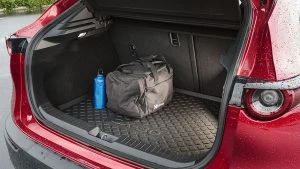
If size matters to you when it comes to what you can (or can’t) fit in your boot, then how much space is commonly available in popular new car buys? The chances are you’ll want to know, so first are some of the most popular vehicles bought in Australia and their boot volume (litres). All the vehicles listed have their rear seats in place, because we all know the greatest vehicles carry a decent amount of luggage without having to flip their rear seats flat. There’s nothing worse than telling little Johnny that he can’t travel with his mates because the split folding rear seats have been split folded to take the school camp food!
At the end is a list of the best picks for carrying 550 litres or more behind the rear seats. You might be surprised, or not…
Supermini
Average boot space: 340.88 litres
1/ Renault Clio – 395 litres
2/ Honda Jazz – 354 litres
3/ Volkswagen Polo – 351 litres
Audi A1 – 335 litres
Skoda Fabia – 330 litres
Hyundai i20 – 326 litres
Kia Rio – 325 litres
Peugeot 208 – 311 litres
Hatchbacks
Average boot space: 479.40 litres
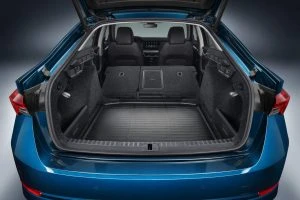
1/ Skoda Octavia 590 litres
2/ Peugeot 308 501 litres
3/ Honda Civic 492 litres
Renault Megane 434
VW Golf 380 litres
Small 4-door sedan
Average boot space: 464.75 litres
1/ Honda City | 536 litres
2/ Honda Civic | 519 litres
3/ Renault Megane | 503 litres
Kia Cerato | 502 litres
Toyota Corolla | 470 litres
Hyundai Accent Sport | 465 litres
Hyundai Elantra | 458 litres
Holden Astra | 445 litres
Mazda 3 444 litres
Audi A3 | 425 litres
Mazda 2 410 litres
Mitsubishi Lancer | 400 litres
Medium 4-Door Sedan
Average boot space: 501.82 litres
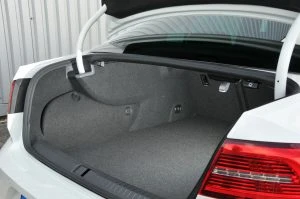
1/ Volkswagen Passat | 586 litres
2/ Skoda Octavia | 568 litres
3/ Toyota Camry | 524 litres
Kia Optima | 510 litres
Hyundai Sonata | 510 litres
Subaru Liberty | 493 litres
BMW 3 Series | 480 litres
Mazda 6 | 474 litres
Subaru Impreza | 460 litres
Ford Mondeo | 458 litres
Honda Accord | 457 litres
Large 4-Door Sedan
Average boot space: 509.2 litres
1/ Skoda Superb | 625 litres
2/ Volkswagen Arteon | 563 litres
3/ Holden Commodore | 490 litres
Chrysler 300 | 462 litres
Kia Stinger | 406 litres
Station wagons
Average boot space: 560.9 litres
1/ Holden Sportwagon 895 litres
2/ Skoda Superb 660 litres
3/ Peugeot 308 SW 660 litres
Ford Focus SW 608 litres
VW Golf SW 605 litres
Hyundai i30 SW 602 litres
Audi A6 SW 586 litres
Volvo V70 575 litres
BMW 5-Series SW 570 litres
Jaguar XF SW 565 litres
Kia Optima SW 552 litres
Ford Mondeo 541 litres
Mercedes Benz E-Class 540 litres
Subaru Levorg 522 litres
Mazda 6 SW 522 litres
Renault Megane SW 521 litres
Subaru Outback 512 litres
Peugeot 407 430 litres
Toyota Corolla SW 392 litres
Mini Clubman SW 360 litres
SUVs
LIGHT SUVs
Average boot space: 346.2 litres
1/ Citroen C3 Aircross – 410 litres
2/ Holden Trax – 356 litres
3/ Hyundai Venue 355 litres
Ford EcoSport – 346 litres
Mazda CX-3 264 litres
SMALL SUVs
Average boot space: 385.91 litres
1/ Jeep Compass 438 litres
2/ Honda HR-V 437 litres
3/ Kia Seltos 433 litres
Nissan Qashqai 430 litres
Renault Kadjar 408 litres
Mitsubishi ASX 393 litres
Toyota C-HR 377 litres
Hyundai Kona 361 litres
Mitsubishi Eclipse Cross 341 litres
Mazda CX-30 317 litres
Subaru XV 310 litres
MEDIUM SUVs
Average boot space: 496.67 litres
1/ Volkswagen Tiguan 615 litres
2/ Toyota RAV4 580 litres
3/ Nissan X-Trail 565 litres
Honda CR-V 522 litres
Subaru Forester 498 litres
Hyundai Tucson 488 litres
Mitsubishi Outlander 477 litres
MG HS 463 litres
Renault Koleos 458 litres
Kia Sportage 446 litres
Mazda CX-5 442 litres
Ford Escape 406 litres
LARGE SUVs
Average boot space: 669.50 litres
1/ Holden Acadia 1042 litres
2/ Holden Equinox 846 litres
3/ Mazda CX-9 810 litres
Toyota LandCruiser Prado 620 litres
Hyundai Santa Fe 547 litres
Toyota Kluger 529 litres
Subaru Outback 512 litres
Ford Everest 450 litres
Keep in mind that most vehicles we buy now do have split folding rear seats, so when we don’t have to carry passengers we can make use of the rear seat space in exchange for carrying cargo/luggage. Many of us don’t want to have to use the rear seat space for luggage; often the back seats are occupied with passengers anyway, so the vehicles that provide over 500 litres behind the back seats are going to be the ones that offer excellent luggage space.
If we look at averages alone, the Large SUV is easily king for luggage carrying duties. Most are seven-seater SUVs, too; but make it just the 5 seats, and they can only be a win/win combination. The next step up would be a van!
However, both the Station Wagon and Large sedan are other excellent options for you to go to for decent luggage carrying ability. Even the Medium Sedan offers some cars that provide excellent big boots: the Volkswagen Passat (586 litres), Skoda Octavia (568 litres) and the Toyota Camry (524 litres) are the best examples.
One thing that did surprise me was that the boot space in a small SUV isn’t much to write home about; its average for the class being a dismal 385.91 litres. This dropped to an abysmal 346.2 litres for light SUVs. These vehicles, and smaller are best avoided if decent boot space is what you need.
Any vehicle that can offer at least 550 litres of luggage space in the boot without having to fold down any of the rear seats is a winner for cargo carriers. If you are looking for a vehicle (that isn’t a van) that will deliver good boot space (550 litres or more) for things like: school bags, computer equipment, sport gear, holiday luggage etc., then you’ll probably need one of the following vehicles:
Hatchback:
Skoda Octavia Hatchback
Skoda Octavia Hatchback 590 litres
Medium 4-dr Sedan:
VW Passat Sedan
Volkswagen Passat 586 litres
Skoda Octavia 568 litres
Large 4-dr Sedan
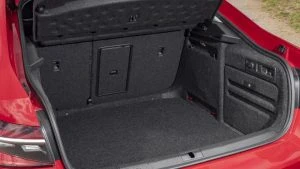
Skoda Superb Sedan/Hatch
Skoda Superb 625 litres
Volkswagen Arteon 563 litres
Station Wagon

Holden Commodore Sportwagon
Holden Sportwagon 895 litres
Skoda Superb 660 litres
Peugeot 308 660 litres
Ford Focus 608 litres
VW Golf 605 litres
Hyundai i30 602 litres
Audi A6 586 litres
Volvo V70 575 litres
BMW 5-Series 570 litres
Jaguar XF 565 litres
Kia Optima 552 litres
Medium SUV
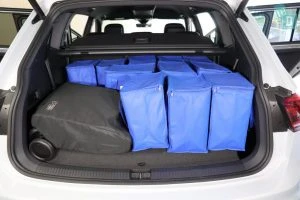
VW Tiguan SUV
Volkswagen Tiguan 615 litres
Toyota RAV4 580 litres
Nissan X-Trail 565 litres
Large SUV
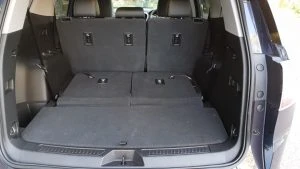
Holden Acadia 7-seater
Holden Acadia 1042 litres
Holden Equinox 846 litres
Mazda CX-9 810 litres
Toyota LandCruiser Prado 620 litres
Hyundai Santa Fe 547 litres
Are You Too Old To Drive?

I think it was Oscar Wilde who said that youth is wasted on the young. It might not be quite so widely talked about, but there are some benefits to not being as young as you used to be. All the same, there’s no denying that even if you have truckloads of experience as a driver and can remember the days when it wasn’t compulsory for passengers to wear seatbelts and when having automatic windows was posh, the time may come when the old body lets you down and won’t react the way it used to do. There is a reason why medical tests are compulsory for those over 75 every year and two-yearly practical driving tests are needed for those aged over 85 if you want to stay on a normal driver’s licence. It’s kind of like getting a roadie test but for the driver rather than a vehicle.
However, although I know plenty of people in the age bracket who don’t seem to show many signs of their age apart from a few wrinkles and grey hair, there are others who start showing a few signs of slowing down before they hit the 75-year mark. My mum, for example, decided to pull back on the driving for safety reasons because she felt that her reactions were getting too slow to drive in the city, although this was “just a case of getting older and nothing to worry about” even though she was well short of 75 years old (it turned out to be early onset Parkinson’s but that’s another story and I’m glad to report she’s doing well on medication).
To be able to drive safely, what do you need to be able to do? What does it take to have what it takes? I came across a set of questions that older drivers can ask themselves to help assess how fit they are to drive. Do any of these ten questions ring true for you? If you answer yes to a lot of them, then maybe it’s time you had a chat with your doctor about driving and medical tests. Sometimes, a few exercises and a new pair of glasses may help – although sometimes, it won’t.
- Is getting your seatbelt on a pain and does it take you several attempts at the best of times?
- Do you have trouble turning the steering wheel (and you’ve got power steering in the car and you’re not driving an old classic without it)?
- Is it hard to do head-checks (looking over your shoulder to check the blind spot)?
- Does driving on even short trips tire you out more easily?
- Do you have a few problems picking out things like road markings, kerbs, median strips, other cars and pedestrians?
- Do you have problems remembering who gives way?
- Does your mind wander while you’re driving? Here, we’re not talking about briefly running over the options for dinner or your to-do list at the traffic lights, or idly pursuing a train of thought on a long empty country road (we all do this), but going completely away with the pixies in the middle of the city or to the point that you suddenly come to and haven’t got a clue where you are.
- Do you get honked at a lot by other drivers? OK, everyone gets drivers tooting at them from time to time, but if it happens a lot, especially at traffic lights or intersections, then it’s possibly the case that you’re a bit slower to react that you used to be (it’s not the case that Young People These Days are more impatient, especially when the Young Person who just honked at you is a tradie in his 40s).
- Is reversing or parallel parking difficult, even if it’s been easy for you in the past?
- Have you picked up some wretched condition like heart problems, stroke, early-stage dementia, etc.?
The good news is that if your hearing is going a bit (all those rock concerts back in the 1970s and a lifetime of working with power tools make for great memories but worse hearing), this shouldn’t stop you from driving, as most hazards have a strong visual component, and even things like police and fire sirens usually come with lights as well.
For older drivers, it’s possible to get a modified licence so you can keep driving but only under certain conditions. You might want to put yourself under your own personal restrictions if you found yourself answering Yes to a lot of the questions above. A modified licence is rather like the grown-up version of the provisional licence and restricts you to driving only in certain circumstances. With a modified licence, the conditions will vary depending on your situation. For example, your modified licence may allow you to drive only short distances (e.g. to town and back, rather than interstate to see the grandkids). Modified licences allow you to stay active and independent but without putting yourself (and others) at risk.
Conditions you may wish to put on yourself rather than official restrictions and conditions under a modified licence could include not driving alone, only taking familiar routes, not driving at night or not driving in bad weather, and avoiding driving at times when you know you get sleepy (e.g. the middle of the afternoon on a hot day).
Having a new vehicle with modern driver aids such as blind spot alerts, reverse parking sensors and autonomous emergency braking may help you stay on the road for longer. However, if you upgrade your vehicle to something with such features, make sure you take some time when you’re not actually driving anywhere to get familiar with all the buttons, symbols, beeps and knobs. And remember that as is the case with most things in life, you need to use those driving skills so you don’t lose them!
 Level 2, 9 Help Street