

The Passengers That Drivers Hate Most
 As we first discovered when we finally ditched the P-plates, one of the delights and duties of driving is taking passengers. Sometimes, your passengers are a joy and being their driver is a lot of fun. However, at other times, it’s more of a nightmare, especially with certain passengers.
Here is a rogue’s gallery of the passengers that you probably don’t want to provide driving services for unless you really can’t avoid it (e.g. if one’s your mother or if you’re a professional taxi driver).
How To Get The Best Mileage Out Of A Hybrid
 One of the main reasons that people purchase a hybrid car is because they want the great fuel economy of an electrical motor matched with the backup and power of a petrol engine. More and more car manufacturers are embracing hybrid technology (including plug-in hybrids) and when they promote their vehicles, one of the features that they love to highlight is the great fuel economy figures. Who doesn’t want to save a few bucks on fuel, after all?
Q1 2017 – When One Door Closes, Another Opens
We review all the major news events in the automotive industry from the first quarter of 2017.
Manufacturing
Soon to join Ford and Holden among the casualties within the local automotive scene, Toyota announced plans to close its engine casting and manufacturing facilities on October 3 this year. Australian car part manufacturers could be the beneficiaries, with local parts being touted for use in foreign diplomats cars.
Six Myths About Electric And Hybrid Cars
 #1: Electric Vehicles Put A Huge Drain On The National Grid
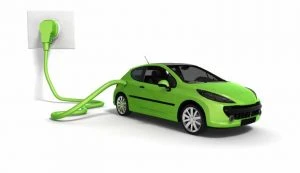 #1: Electric Vehicles Put A Huge Drain On The National Grid
OK, there’s no denying that if you’re plugging in an electric car to recharge its batteries, you’re going to use electricity, which means that someone has to generate it. It’s also true that if there’s too much demand on the national grid all at once, then there’ll be problems with “brown-outs” (signalled by lights dipping and flickering when the new load comes on the scene – those who have lived in off-the-grid houses will know all about this). Notice those key words “all at once”? The amount of power demanded by electric vehicles – at least at this stage – is peanuts compared to the demand of air conditioning in summer in the middle of the day, especially during a super-hot summer like the one we’ve been having. In the USA, electric vehicles only account for 10% of the electricity demand. If everybody tried to (a) turn on their air-conditioning in the home and (b) charge their vehicles all at the same time, then yes, this would put too much of a load on the national grid. The answer? Charge your vehicle during off-peak times in the evenings and overnight when industry isn’t calling for as much power and air-conditioning systems aren’t working so hard.
#2: Electric Vehicles Haven’t Got Much Range
Some people are reluctant to purchase an electric vehicle because they have mental images of being stranded in the middle of nowhere with a dead battery and no way to recharge it. It’s true that if you regularly drove long expanses of open road in the middle of nowhere, you could get yourself in a mess. However, most of us aren’t driving around the Outback or around the farm on a regular daily basis: most of us are driving around the city. Most electric cars have a decent range of at least 100 km and some have a lot more. The typical city commute tends to be shorter than this – a lot shorter. Even if you live in a dormitory suburb. On top of this, the 100-km range is at the lower end of battery life and ranges for electric cars these days. The technology is improving as well, and some of the big names in electric vehicles (Tesla, Chevrolet and Nissan) are scheduled to release EVs that can get well over 300 km per charge.
 Level 2, 9 Help Street