

Nissan Patrol Updated for 2020
Nissan has shown off the new 2020 Nissan Patrol. There has been additions to the equipment and a reskin of the solid looking machine.
Significant changes see the Nissan “V-grille”reinterpreted for the new Patrol and it’s bracketed by a pair of boomerang LED driving lights. This is mirrored by a similar design in the rear lights. Sequential indicators have also been added, a first for Nissan.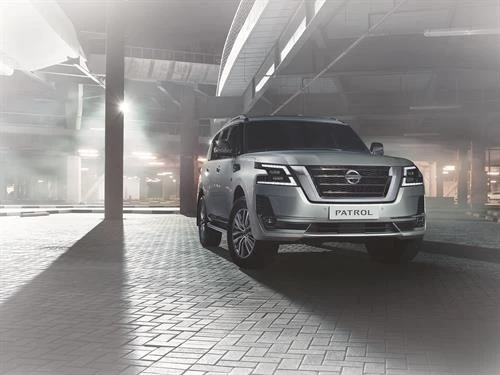 “The Patrol is one of our longest-standing and most cherished models, with a long and proud heritage,” said Joni Paiva, regional vice president of the Africa, Middle East and India region at Nissan. The new Nissan Patrol represents the peak of luxury and ultimate capability and will continue to provide authentic experiences to its loyal customers in the Middle East and around the world.”
Veloster Gets New Suit for 2020.
Hyundai’s 3 door sports hatch, the Veloster, has been largely untouched since it was released. For 2020 the pert little machine has been given a new set of clothes inside and out. Safety has been upgraded and there are new engines to punt as well.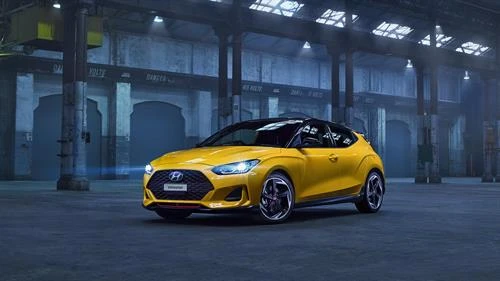 A three model range is the situation here. There is the entry level, the Turbo, and Turbo Premium. The middle and top have the 1.6L engine, delivering 150kW/265Nm with the entry level a 2.0L Atkinson Cycle engine with 110kW/180Nm. That powers down via a 6 speed manual or auto, with the Turbos either 6 speed manuals or 7 speed dual clutch autos. Prices start from $29,490 plus on roads for the Veloster, $35,490 plus ORCs for the Turbo and $38,990 for the Premium. Metallic paint is a $595 option and two tone is $1,000.
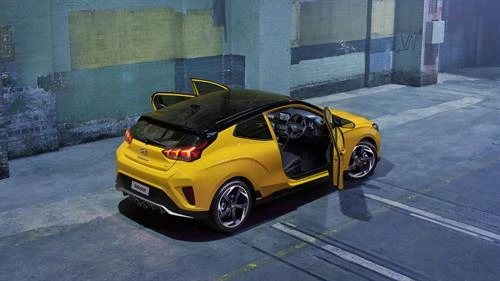 Standard kit is impressive. The range opens with 6 airbags, tyre pressure monitoring, Forward Collision Avoidance with City camera, Lane Keep Assist, Parking Distance Warning – Reverse, auto headlights, a 7 inch touchscreen with Android Auto/Apple CarPlay, 18 inch alloys and Michelin rubber. Sports gauges in a digital format are in the driver’s dash and there’s the usual drive mode options. The Turbo is fitted with Pedestrian Detection camera and radar, Blind Spot Collision Warning, Rear Cross Traffic Warning, and Smart Cruise Control. LED lights feature front and rear, and there are a set of sports oriented body parts, and cloth/leather seats. Michelin features again on 18 inch black gloss alloys. The Premium has a Head Up Display, heated tiller, rain sensing wipers, full glass roof, and a wireless charge pad for compatible smartphones plus an eight speaker audio system from Infinity.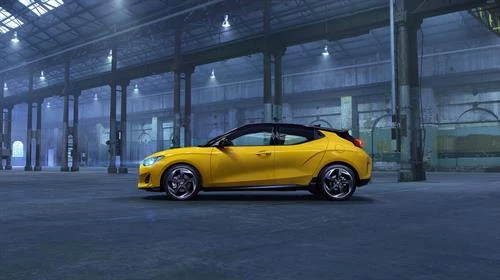
The bonnet has been lengthened and the roofline has been given a sharper angle, plus the wheel arches have been reprofiled. As usual, Australian imput has been used for the chassis tune to work with the extra body rigidity and refined independent multi-link suspension. The power steering system has a quicker-ratio and Torque Vectoring Control.
Hyundai offer a five year unlimited kilometres warranty, 12 months roadside assistance, a free first service, and a 10 year service & satnav upgrade if servicing the vehicle through Hyundai dealerships. Head to the Hyundai website for details.
Renault Adds Kadjar To The Family
Renault have added another SUV to their burgeoning range. Renault claims the Kadjar name is based on two words: Kad is inspired by quad to represent a go anywhere four wheeled vehicle, and Jar recalls the French words agile and jaillir respectively representing agility and suddenly emerging from somewhere. Okay then.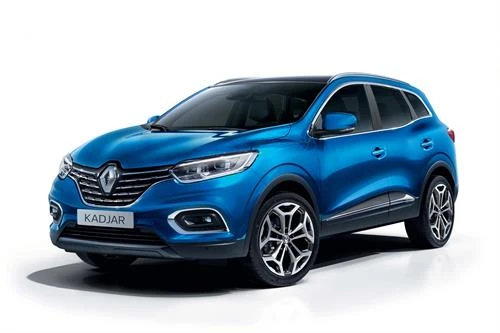 Regardless, it’s based on another car with an odd name, the Qashqai from Nissan. It makes the Kadjar slightly bigger than the Captur. Pricing for the three model range (Life, Zen, Intens) starts from $29,990. Power is from a turbo 1.3L engine developed with Daimler. Peak power is 117kW (5,500rpm) and torque is a not indecent 260 torques at 1,750rpm. Economy is quoted as 6.3L/100km for the Euro6 compliant, 95RON, engine from a 50L tank. Transmission is a seven speed dual clutch auto. the Life and Zen roll on 17 inch wheels with 215/60 rubber, the Intens goes up to 19s and 225/45 tyres.
Length is 4,449mm, height is 1,607mm, and boot volume is 408L to 1,478L. The exterior is pure current Renault. C shaped LED driving lights, a fluid and organic look to the panels, and chrome highlights add bling to the front and windowline. Black urethane panels add visual appeal and a protective layer to the lower extremities. Inside is a 7.0 inch touchscreen, patterned covers for the seats, and an ergonomically focused design to the elegant sweep of the dashboard. A Bose audio system can be found in the Intens, along with electric seats. The Life and Zen are manually operated, with Zen also having manual lumbar adjustment.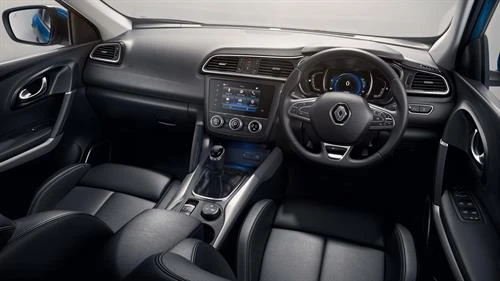 All three levels have a pair of 12V sockets, with the Life having a pair of USB ports up front. Zen and Intens have an extra pair for the rear. All three have voice activation, with the Life missing out on navigation. It doesn’t miss out on safety though, with front and rear sensors common across the range. However, side sensors it does miss out on. Blind Spot Warning and Lane Departure Warning are also not fitted to the Life. Intens gets hands free parking assistance as well as auto high beam. All three have auto on headlights.
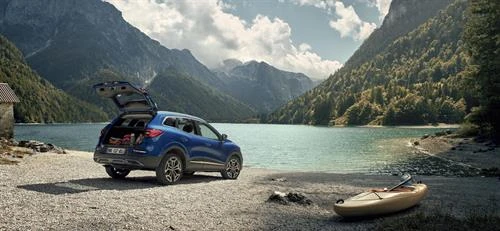 Renault provide a five year and unlimited kilometre warranty. Service intervals are pretty good too, just quietly, with 12 months or 30,000 kilometres. Metallic paint is a $750 option and a glass roof is $1,000.
Ute Buyers Spoilt For Choice
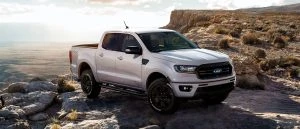
2020 Ford Ranger
Most of us will know the popularity of the ute in Australia. It’s an awesome type of vehicle for mixing work, play and family duties all together and so easily. Some utes even scrub up so well that they look stylish enough parked up next to a luxury Mercedes, so it is little wonder as to why we’re seeing the Hilux, Ranger or even Triton being very popular new car buys.
 Level 2, 9 Help Street