

Author archive
New Utes and Vans
There are now lots of vehicles for sale that are well-suited for serving in many different roles in all sorts of Trades throughout Australia. Whether you’re an electrician, a builder, a plumber, a gardener, a boat builder, a florist, a baker, a butcher, etc., – the list just goes on – there is a load of new vehicles available on the market that will aptly serve your business and recreational needs.
Let me take you through them. I’ll make it easy for you and list them in two categories: Vans and Utes. In both categories the vehicles are listed in ascending order of price. That will make it easier to see which of the vehicles may fit into your price range and budget.
Vans
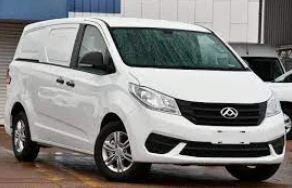
LDV G10 (≈$36–38k)
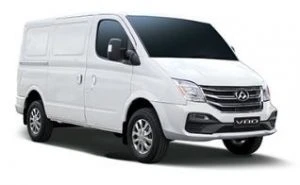
LDV V80 (≈$36–45k)
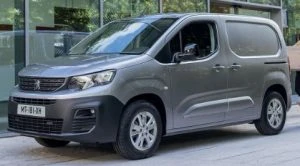
Peugeot Partner (≈$40–45k)
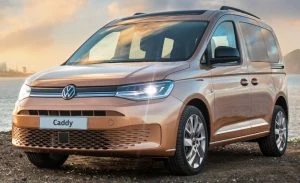
Volkswagen Caddy (≈$40–51k)
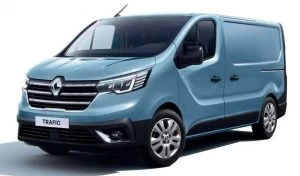
Renault Trafic (≈$44–61k)
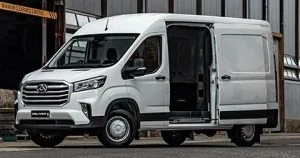
LDV Deliver 9 (≈$45–50k)
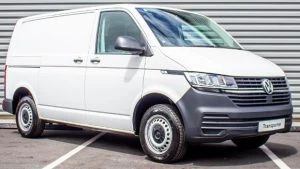
Volkswagen Transporter (≈$47–66k)
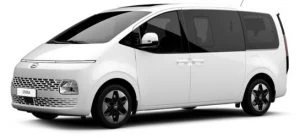
Hyundai STARIA LOAD (≈$48–54k)
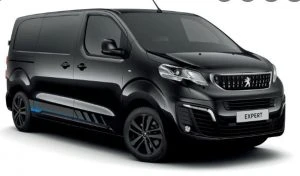
Peugeot Expert (≈$48–58k)
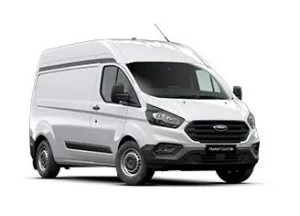
Ford Transit Custom (≈$49–60k)
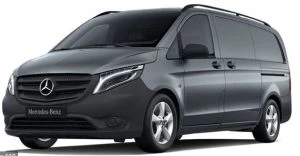
Mercedes Benz Vito (≈$49–79k)
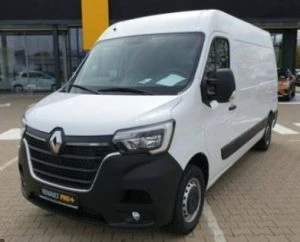
Renault Master (≈$53–64k
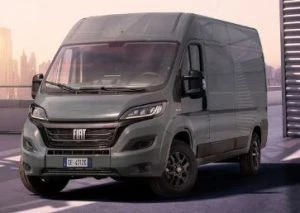
Fiat Ducato (≈$53–66k)
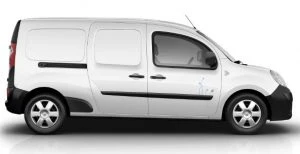
Renault Kangoo Van Maxi Z.E (≈$55k) Electric Van
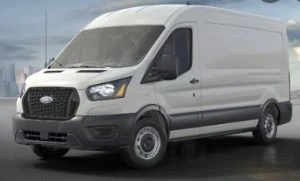
Ford Transit (≈$58–68k)
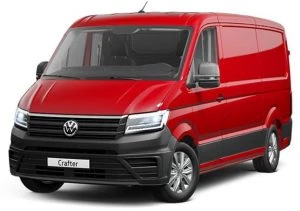
Volkswagen Crafter (≈$60–160k)
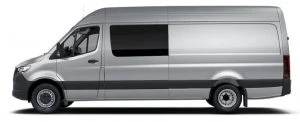
Mercedes Benz Sprinter (≈$66–91k)
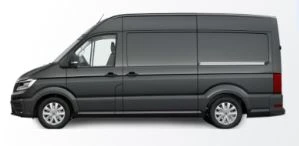
Volkswagen Crafter 50 (≈$73–82k)
Utes
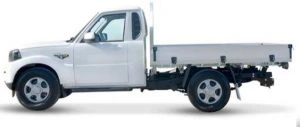
Mahindra PIK-UP Light Truck S6+ (≈$26–30k)
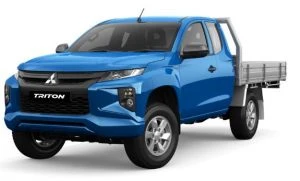
Mitsubishi Triton Cab Chassis (≈$28–47k)
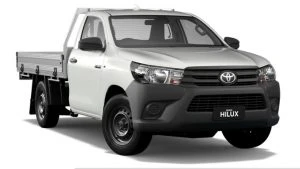
Toyota Hilux Cab Chassis (≈$28–64k)
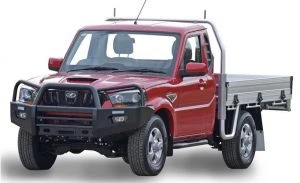
Mahindra PIK-UP Cab Chassis (≈$34k)
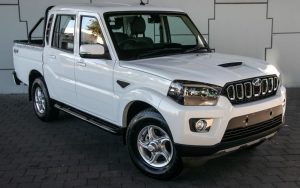
Mahindra PIK-UP Ute (≈$35–42k)
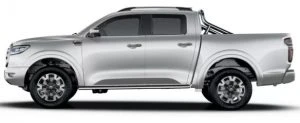
GWM Ute Double Cab (≈$35–45k)
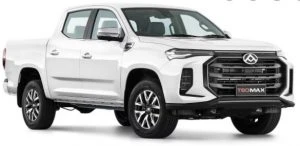
LDV T60 Double Cab(≈$36–43k)
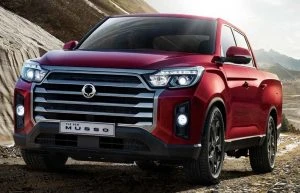
SsangYong Musso Ute ($36-47)
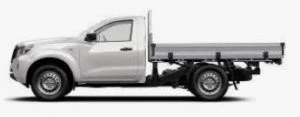
Nissan Navara Cab Chassis SL (≈$36–52k)
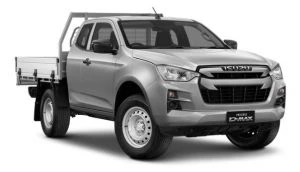
Isuzu D-MAX Cab Chassis (≈$37–65k)
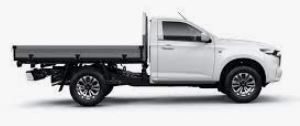
Mazda BT-50 Cab Chassis (≈$38–61k)
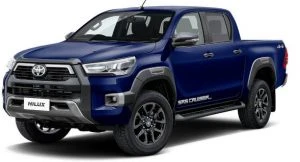
Toyota Hilux [Single and Double Cab] (≈$38–76k)
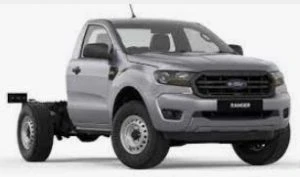
Ford Ranger Cab Chassis (≈$40–67k)
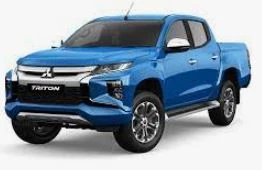
Mitsubishi Triton Ute Double Cab (≈$42–64k)
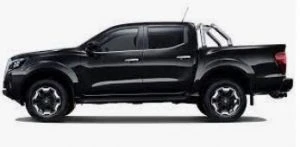
Nissan Navara Ute Double Cab (≈$44–76k)
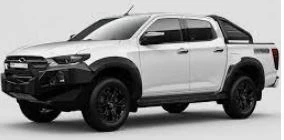
Mazda BT-50 Double Cab (≈$47–76k)
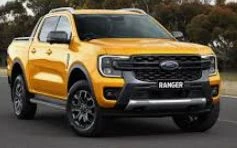
Ford Ranger Ute (≈$47–91k)
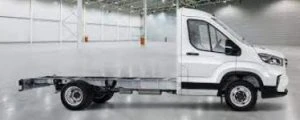
LDV Deliver 9 Cab Chassis (≈$48k)
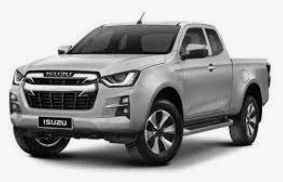
Isuzu D-MAX Double Cab (≈$49–73k)
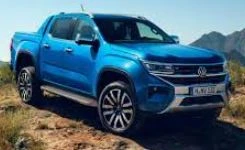
Volkswagen Amarok (≈$51–88k)
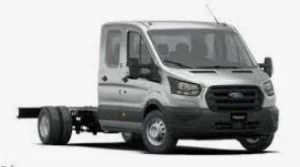
Ford Transit Cab Chassis (≈$60–64k)
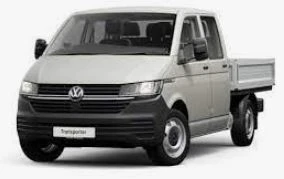
Volkswagen Transporter Light Truck (≈$60–69k)
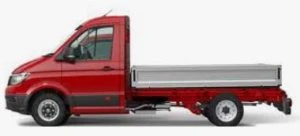
Volkswagen Crafter 50 Cab Chassis (≈$69–75k)
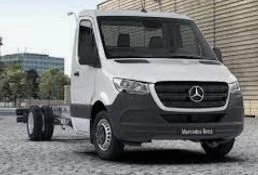
Mercedes Benz Sprinter Cab Chassis (≈$74–83k)
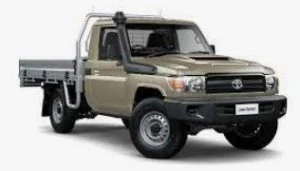
Toyota Landcruiser Cab Chassis (≈$74-88k)
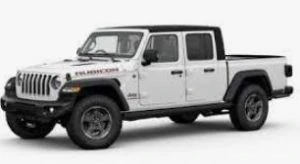
Jeep Gladiator Ute (≈$79–88k)
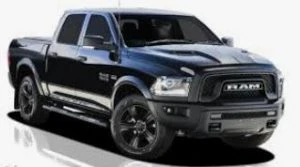
RAM 1500 Ute (≈$89–209k)
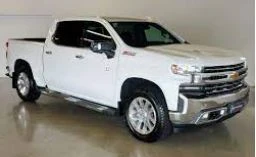
Chevrolet Silverado (≈$107–145k)
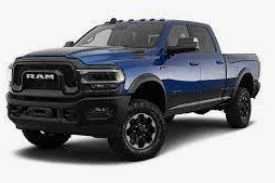
RAM 2500 Ute (≈$172–177k)
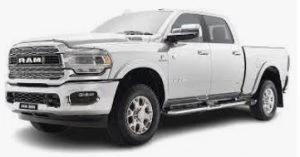
RAM 3500 Ute Laramie Double Cab (≈$177k)
Understanding Current Hybrid Vehicle Technology
So, what is a hybrid car in 2022? What is the current technology ?
A hybrid vehicle combines at least one electric motor with an internal combustion engine (ICE) to move the car. This system is set up to recapture any energy from regenerative braking. There will be times when the electric motor can do all the all the work of moving the car, and then sometimes the ICE will do 100% of all the work. And then there will be times when the electric motor and the ICE work together to move the vehicle along.
The hybrid system ultimately has the end result of less fuel being burned and, therefore, offering its driver better fuel economy. In some circumstances, like in a short quick passing manoeuvre, adding electric power to the ICE power will can even boost the vehicle’s performance for performing the task.
All hybrid systems are set up for the electric motor to use electricity coming from a high-voltage battery pack. This battery pack is separate from the car’s conventional 12-volt battery system that runs the auxiliary car systems (e.g., air conditioning, headlights, coolant fan, etc.). The high voltage battery pack is replenished by capturing energy from deceleration (typically this energy is lost to heat that is generated by the brakes in a conventional ICE-only vehicle). So, the regenerative braking system captures this deceleration energy and sends it back to the high voltage battery pack which runs the vehicle’s electric motor. Hybrid vehicles are also designed to use the ICE to charge and maintain the high voltage battery pack.
The main Hybrid Designs are:
Parallel Hybrid
The electric motor(s) and ICE are connected in a common transmission (automatic, manual, or a CVT) that will blend the two sources of power for moving the vehicle.

Series Hybrid
A Series Hybrid is where the electric motor(s) provide all the thrust, and there is never a physical or mechanical connection between the ICE and the wheels. The ICE is purely onboard for recharging the high voltage battery pack.

Plug-In Hybrid (PHEV)
The plug-in hybrid system enhances the conventional hybrid concept with a much larger high voltage battery pack. As this is similar to a conventional electric vehicle (EV), it must be fully recharged using an external electricity source (i.e., charged from your home power supply, your office, or a public charging station). Because the energy storage is much greater, it allows for extended all-electric driving, thus significantly reducing your fuel consumption. In fact, short commutes and a recharge nightly means that you’ll be running on electricity most of the time (great for city driving). Should you deplete the large battery pack, the car simply reverts to being a conventional parallel hybrid, using the assistance of an ICE. Plug-in hybrids can be either a series or a parallel hybrid system.

Mild Hybrids
When you hear the term Mild Hybrid, don’t start thinking it is anything like the Parallel Hybrid, Series Hybrid, or Plug-In Hybrid (these 3 are considered “full hybrids”) mentioned above. In a Mild Hybrid vehicle, the electric motor is there to only assist the ICE for the purposes of improving fuel economy, increasing performance, or both. It won’t ever fully move the vehicle on its own.

The Lithium Rush

Lithium is in very hot demand at present. Like a new frenetic modern-day gold rush, it seems that big companies wanting lithium are frantically looking for this new sort of gold.
Obviously, lithium is required in the production of lithium-ion battery cells that are used for powering EVs. In order to make sure that they don’t run short of lithium anytime soon, China, which has the largest EV market in the world, produces 80% of the world’s usable lithium product all on their own. In a statement recently, Sung Choi, a metals analyst, stated that “The cost of lithium has risen because virtually all automakers have jumped onto producing EVs.”
Currently, over half of the world’s lithium resources are in South America and Australia. As prices for lithium are surging – and some metal analysts at BloombergNEF (BNEF) have witnessed an almost 500% increase in the past year – China seems to be leading the charge in the hunt for new lithium mining reserves.
China is searching around the world for new lithium deposits that can supply their big need for the metal used in EV production. China has even looked at the Qinghai-Tibetan plateau as a source for the metal, as well as in Africa. Sung Choi also said that “Africa has recently been in the spotlight with its ample resources in metals.”
Some of the African lithium mining fields being looked at by China include the reserves found in the Democratic Republic of Congo, where Zijin, a Chinese mining giant, is battling with Australia’s AVZ minerals over controlling the DRC’s Manono mine. Quite possibly, the Manono mine has the world’s biggest lithium deposit.
Last year, Congolese President Félix Tshisekedi said that people living in areas with mines were “still languishing in misery,” while it was the foreign multinationals running the mines who prospered. The mines do provide locals with jobs, but many would say that the locals don’t see enough trickle-down reward from the massive multimillion-dollar projects.
Also, in Zimbabwe there are large untapped deposits of lithium, and China is rapidly buying up these resources. Zhejiang Huayou Cobalt, a Chinese-based company, has recently purchased Arcadia Lithium mine outside Harare. The money (some $300 million) will be used to construct a mining plant with a processing capacity of 400,000 metric tons of lithium concentrate per year. The Zimbabwean government has welcomed this recent investment, looking forward to helping fill China’s and the EV’s need for lithium-based batteries.

The current and potential growth of the EV industry, and therefore the rush for new lithium resources, has had companies like Tesla seriously considering getting into lithium mining and refining directly for themselves. Maybe it is Toyota who is taking the more manageable approach to the mass production of EVs. Their pace toward an EV transfer seems to take a better-calculated methodology when compared with some other big automotive manufacturers who seem driven on producing a fleet of their own EVs as fast as possible. Toyota sees the value in hybrid technology building a bridge to solving any issues around climate change and the EV mindset.
Lithium isn’t just used in the production of EV battery packs. Lithium is also used in rechargeable batteries for mobile phones, laptops, digital cameras, and in warfare equipment. It is also used in some non-rechargeable batteries for things like heart pacemakers, clocks, and toys. The future and the course of EV production and EV uptake does seem to depend on the amount of lithium being available and the costs involved for mining it. These costs will affect how much a new climate change-solving EV might eventually sell for.
Australia’s Best Racing Circuits, and a Bit of Porsche News at the End.
Australia is a racing car enthusiast’s haven. When professional car racing first began in Australia, it lacked the local presence of manufacturers from brands like Ferrari and Mercedes – both of which helped establish a strong racing tradition in Europe. Despite Europe’s success, Australia was able to build racetracks down under that Australians and people around the world enjoyed visiting to watch – and even today they deliver some of the very best motor racing has to offer.
5 of the most famous racetracks in Australia would have to be:
- Phillip Island

You can find the Phillip Island Circuit situated about 2 hours outside of Melbourne City. Its racing heritage harks back to the 1920s. The current racetrack has been in use since 1956, although it has undergone minor changes during its life. Phillip Island is a wonderfully free-flowing circuit with a stunning backdrop of Port Phillip Bay. This famous track is loved by both motorcycle racers as well as those from the car racing fraternity. Phillip Island is currently a permanent yearly fixture for the MotoGP calendar.
Loads of motorbikes are included in the race circuit’s fastest lap times, with a Yamaha YZR–M1 ridden by Maverick Viñales in 2019 claiming the quickest lap time of 1 min:28 sec.49. You have to look down to 57th place before finding the quickest lap time accomplished by a car. 57th place was run in 1 min:38 sec.02 in a Porsche 918 Spyder driven by Matthias Hoffsummer. A 2020 BMW M3 ran around Phillips Island in 1 min: 45 sec.03 – a car that may be a little more recognisable and common to the masses.
- The Adelaide Street Circuit

The Adelaide Street Circuit hosted the Australian F1 Grand Prix in the 90s. This famous track saw racing icons Alain Prost, Aryton Senna, and Michael Schumacher score podiums on their journey to winning their F1 World Driver’s Championship. Because it was regularly the last race of the F1 season, the Adelaide Street Circuit track often had high stakes drama, with its competitors looking to win the last points of the season on what is a fast and flowing circuit. This drama added to the buzz in the air, playing host to a great party atmosphere once the final race was completed.
Although Melbourne has more recently created another famous racetrack – Albert Park – the Adelaide Street Circuit is still special. Although F1 cars no longer rip around this circuit, the V8 Supercars event has become one of the its best series.
The fastest time (1 min: 15 sec.381) ever recorded on the Adelaide Street Circuit was performed by Damon Hill back in 1993, while driving his Williams FW15C Renault Formula One.
- Albert Park

As mentioned above, Albert Park is in the seaside suburb of St Kilda, just outside the Melbourne CBD. Albert Park Circuit has played host to the Australian Grand Prix since 1996 and is a track that provides fantastic motor racing. Albert Park is also a track that anyone can tackle a lap of the circuit in their own car. It’s possible to drive around the circuit many times on any day of the week.
A Formula One Car called the Ferrari F1–75 driven by Charles Leclerc this year (2022) set a time of 1 min:20 sec.260, which is the fastest time ever set on the track. To give you an idea just how quick that is – Craig Baird drove his Mercedes AMG GT3 car around in 1 min: 54 sec.7311. Craig Baird’s record time in the GT3 Class is 8th quickest for a car more recognizable with cars can be driven on our roads legally.
- Sandown Raceway

Sandown Raceway is a track that, along with Phillip Island and Albert Park, enhances Victoria’s claim to possessing Australia’s greatest collection of famous racetracks. Until Albert Park arrived on the scene, Sandown was regarded by many as Victoria’s premier circuit. Sandown Raceway is where brilliant Aussie racers like Jack Brabham, Alan Jones, and other heroes have shown off their skills to a home audience. Sandown Raceway circuit still finds regular use today, most notably among drag racing enthusiasts.
- Bathurst/Mount Panorama

Formula One and MotoGP tracks inside Australia are rightfully famous. Events in these high-end categories are truly global, and even our home-grown Aussie drivers have made a name for themselves racing in these very events. But Mount Panorama/Bathurst is perhaps the most famous track of all to most Australians.
The New South Wales circuit plays a yearly host to the V8 Supercar race, and it has been a place where legendary battles between Ford and Holden have been played out before loyal fans. Mount Panorama is also where brilliant racers like Peter Brock and Craig Lowndes have cemented their status as giant motor racing legends.
The outright fastest time for getting around the Mount Panorama Track was accomplished in an Audi R8 LMS, where the 2 minute barrier was broken in a time of 1 min: 59 sec.2910; Christopher Mies was the R8’s driver. The quickest Touring Car that has ever made it round the circuit was a Ford Mustang GT driven by Chaz Mostert in the Supercars Championship of 2019 with a time of 2 min: 04 sec.7602.
Nurburgring (Germany)

And for something a little different… Porsche has just reclaimed the production EV Nürburgring lap record from Tesla, running a time of 7 min: 33 sec with a Porsche Taycan Turbo S EV. The Tesla Model S Plaid’s lap time was 7 min: 35 sec set in September of 2021.
The production performance EV class is rapidly growing and features a variety of body styles. This means Porsche will likely be challenged by faster EVs in the near future.
 Level 2, 9 Help Street