

Author archive
Ford Adds A New Cat To The Family.
Ford has resurrected a former nameplate and given it to yet another new small SUV. The European produced Puma is currently scheduled to hit Aussie showrooms in the second half of 2020. The main family line are the small and medium sized hatched in the form of Fiesta and Focus.
It’s as yet unconfirmed as to the engine; the European specs have a 1.0L three cylinder petrol engine at the car’s launch a few months ago, with 92kW or 114kW. It’s said that diesel will be an option there and it remains to be seen if that’s optioned here. Transmission choice is likely to be a dual clutch auto that’s close to being signed off, as the current option in Europe is a six speed manual.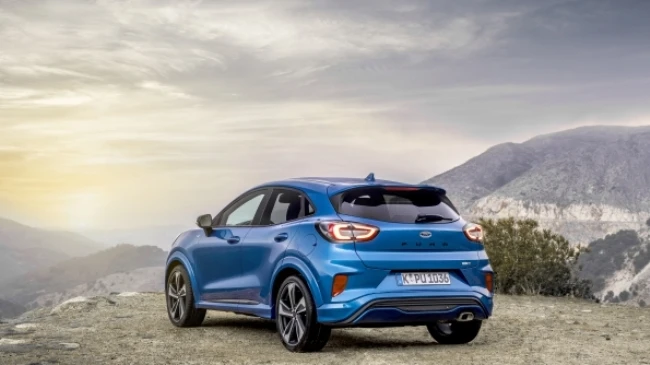
Room wise there’s plenty of it inside, including a cargo space able to hold 456L, and this includes a wetbox in the lower section and capable of holding up to 80L. The lifestyle aspect is strong as there is also a drain plug in the floor, meaning any wet activities can be carried out without fear of ruining the cargo section.
Although the standard equipment list for the Australian specification hasn’t yet been locked away, it does appear that the Aussie cat will get Ford’s Co-Pilot 360. This will pack in AEB, lane centering tech, adaptive cruise, traffic sign recognition, active park assistance and blind spot monitoring.
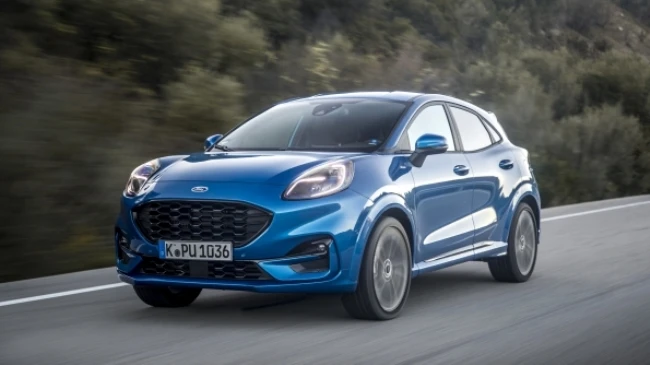
Exterior design has a somewhat startled cat headlight look, and a set of rear flanks with a strong crease line before finishing with a distinctive set of tail lights.
Keep an eye on Ford’s website for updates.
Mitsubishi Expands Triton Range.
Mitsubishi has added two lifestyle driven models to the Triton range. Dubbed GSR and GLX-R, the titles are a mix of evocative history and a nod to the future. Companies are realising that for those that buy the big four wheel drive and off-road capable utes, they’re not necessarily being used for…off-road driving. They’ve become a lifestyle choice and the introduction of the pair mirrors that desire from a fickle market.
The GSR is perhaps the more visually worked over of the two and definitely leans towards the lifestyle, trend driven, marketplace. The wheels are black painted alloys and a diameter of 18 inches. The Mitsubishi “Dynamic Shield” is blacked out to provide a subtle, menacing, look. The headlight surrounds, skid plates, door mirrors, handles, and sidesteps are also all blacked out.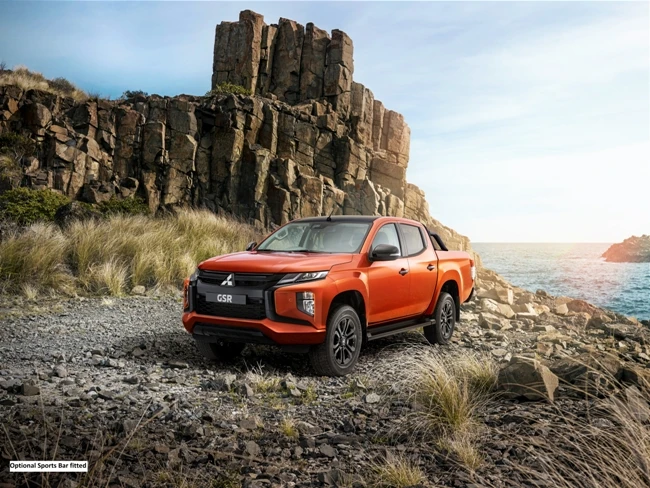
Inside there is the addition of a “Multi Around Monitor” with an activation switch on the steering wheel. The powered and heated front seats have leather trim, as do the steering wheel and park brake level &shift knob. There is an colourful option in the form of a tan orange highlight package. This will feature on the seats, console storage box, and console knee pads. Accessorising the GSR will be simple with the choice of three tonneau covers. There will be a soft, hard, and rollable cover available. A blacked out sports roll bar and tub liners will also be available.
The cost of the soft tonneau package is $2,699 (RRP) with the hard and roller style priced at $4,699 and $4,999 (RRP for each) respectively and also includes floor mats across the range.
Sliding into the gap between GLX+ and GLS will be the GLX-R. This is more restrained in finish, with 18 inch alloys also, fog lamps, and chrome finishes for the grille. door mirrors and handles, front bumper, and will be aimed at the driver that likes a more sophisticated look for their 4WD ute.
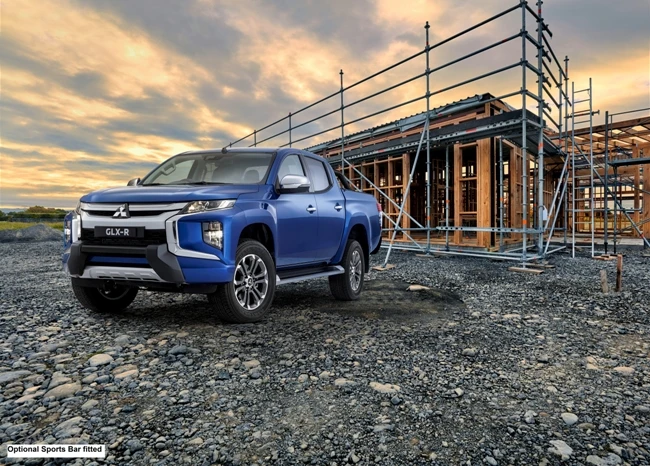
Pricing for the pair starts at $39,990 for the GLX-R with a six speed manual. A six speed auto kicks off at $42,490 and they’re both drive-away prices. The GSR is $50,990 without tonneau, whereas the soft cover starts at $52,990, and $54,990 for both the hard and roll cover versions. Premium paint is included on the GSR at a $740 value and prestige paint can be optioned for just $200.
Chat to your local Mitsubishi dealer or contact them via the Mitsubishi Australia website.
2020 Nissan Leaf EV: Private Fleet Car Review
This Car Review Is About: The second iteration of Nissan’s electric powered passenger vehicle called Leaf. It’s a genuinely well thought out and engineered machine, with good city range, and a price point that should appeal. For the second generation it’s been facelifted (it’s now much prettier) and given a tickle to the driving range. How Much Does It Cost?: Nissan list it at $49,990 plus on road costs. The drive-away price will vary from state to state but figure on a something between $54 to $56K depending on your location.
Under The Bonnet Is: The battery can store up to 40kWh, which is good for 110kW of power and 320Nm. The dash display provides a clear look at current charge with expected range, plus output during driving on the fly. Depending on figures, there is an expected range of either 315km (based on NEDC ADR 81/02 combined cycle) but a more realistic figure is an a 270km indicative driving range (European WLTP combined cycle). This is a more useable figure and with studies showing most city based drivers in Australia clocking just under 40 kilometres per day, it’s user friendly in that respect.
The car has two charging ports in the restyled nose, one with a direct connection to a CHAdeMO rapid charger and get from alert to 80 per cent charge in around 60 minutes depending on charging conditions, with the other a Type 2. There is an adapter with which to connect to an Australian standard 240V socket with more information found here.
On The Outside It’s: More of a distinctively “normal” look compared to the first model, and a slick, sleek, five door hatchback shape with aero styling. There’s a 3D look to the blue plastic that sits directly under the charge panel cover and it’s amazing in the depth of the look. This is matched by a similarly coloured panel in the lower rear bumper. Headlights are full LED, bracketing the now signature Vee that Nissan has for family identification. In profile it’s clear there’s a teardrop look from the aero effect and some subtle aero aids built into the metal and plastic. A sharp kick in the rear door meets neutral black and leads the eyes to the elegantly tapered rear which houses a manually operated ‘gate. Rubber comes from Goodyear’s Efficient Grip range and sit at 215/60 on 17 inch dark grey machined alloys.
On The Inside It’s: Roomy enough for four adults, and looks largely like a normal car’s interior. The noticeable difference is the gear selector. It’s a standard foot on brake, press console mounted button, a faint series of clicks as the drive engages, then a move of the rounded knob across to the right and forward for reverse and reverse for forward. Got that? Good. There is a small diagram next to the selector just in case it’s not immediately obvious. The knob itself is of a deep metallic grey highlighted by an electric blue ring at the base. Another highlight, sort of, is the choice to fit sumptuous and comfortable leather and velour trimmed seats with a bit of extra height than normal. But…with no venting option. Yes, they’re heated, but on a couple of scorching summer days in Sydney, the old glutes got a hammering. At least the single zone aircon cools down quick enough and has a fan capable of blowing good and hard. That sits underneath an 8.0 inch display that is ergonomically laid out but has a fussy audio system in regards to selecting and tuning radio stations. The ones already stored were Melbourne based and naturally wouldn’t connect without a retune. Actually doing so wasn’t easy, intuitive, simple. A bit of a letdown, really.
It does have DAB, and changing stations wasn’t instantaneous, but took a few seconds. Bluetooth streaming is standard. An upside is the display’s look, as it’s far better than that found in other Nissan models, thankfully. It sits inside a very stylish dashboard complete with leather look material, carbon-fibre look and piano black plastics, and a soft look overall. The doors also have some piano black inserts and soft touch material. The dash display is as clean as a whistle. A simple analogue dial for the velocity, an LCD screen of 7.0 inches for the usage info, with the now ubiquitous steering wheel mounted buttons to access the info. The screen will show expected range, Eco usage, charge levels, battery temperature, kWh information and more. To access the charge ports is simple too; a small button above the driver’s right knee and that pops the hatch in the nose. Back down to the centre console and there is a drive mode that, admittedly, we didn’t test for the sake of being prudent.
It’s called the e-pedal and it takes the brake pedal out of the equation. It works as a normal accelerator pedal but when the foot is removed the sensors will have it act as a brake and slow the Leaf to a complete stop. Nifty is the fact it will apply on up-and downhill slopes.
Ancilliaries such as a USB and 3.5mm auxiliary port are easily accessed, but there is no smart phone charge pad, even with a nook that looks like it was designed to house one. Bose supply the audio system and there’s a small yet effective soundbar style bass unit in the boot. Auto headlights and wipers, a pair of bottle holders and a slot for a mobile phone in the console, and bottle holders in the doors aim for a family friendly package. A boot capacity of 405L with the 60/40 rear seats up is enough for most families.
On The Road It’s: Not a rocketship, but it’s quick enough. The pedal has an initially sticky feel, which leads to a feeling that the Leaf isn’t going to be rapid. Thankfully that sticking feeling is only at the beginning of the pedal’s travel and a little more pressure brings out the Leaf’s true ability. It’s gentle to start with but will get some true velocity and exhibit the nature of an electric power system. A 0-100 time of 7.9 seconds means it’ll hustle well enough but it’s the highway and freeway that can really take advantage of the torque the Leaf has. Sink the slipper whilst cruising and the Leaf will sprint away nicely. The energy recovery system can then be set to one of two modes, with the result being the brakes will harvest more energy or will back off enough to extend the range. In either case the Leaf is a superb city performer and fits in beautifully with the urban lifestyle.
Steering is of an artificial feel though, with a sense of isolation from the driver and what feel there is just doesn’t feel that it speaks human. It’s weighted well enough, but it doesn’t communicate what the front end is doing. To counterbalance that is a great ride and part of this is thanks to the Intelligent Ride Control. This adjusts the power and torque of the engine just enough to dampen or raise the delivery. Why? Nissan’s engineers worked out that by adjusting the delivery it acts as a counterweight to the pitching fore and aft a car experiences when hitting bumps and irregularities.
The suspension has a tighter than expected feel, but this is a good thing. The chassis dynamics are tuned to deal with the mass of the Leaf; at 1,594kg plus cargo it’s knocking on the slightly portly door for its size. Naturally that’s due to the battery pack but with the suspension tuned to be taut for the most part, it drastically reduces excess suspension travel. It softens up at the end enough to be comfortable and pliant for most people to be happy with. What About Safety?: No shortage at all. A very smart feature is the subtle but audible tone when the Leaf is reversing to alert pedestrians. There’s the Intelligent Around-View Monitor for 360 degrees worth of vision. Front and rear parking sensors make tight shopping centre situations easier to deal with. Intelligent Trace Control assists in keeping the Leaf on the centre line when driving with imperceptible brake applications. With NIssan placing their safety features under the umbrella name of Intelligent, there’s also Intelligent Driver Alert, Intelligent Forward Collision Warning, Intelligent Emergency Braking with pedestrian detection, and Intelligent Lane Intervention. Naturally there are Lane Departure Warning, Blind Spot Warning, Rear Cross Traffic Alert, and Tyre Pressure Monitor System. Traffic sign recognition has the safety system audibly warn of speed zones and cameras too.
And The Warranty Is?: Five years, and unlimited kilometres. For the battery, Nissan advises:“The Nissan LEAF Lithium-Ion battery State of Health guarantee protects against battery capacity loss (less than 9 bars out of 12) as shown on the in vehicle capacity gauge for a period of 8 years or 160,000 kilometres, whichever comes first. The Warranty commences from the time the vehicle is first registered or put into service (whichever occurs first).” Roadside assist is included and is up to five years. Information on service costs is available here.
At The End Of The Drive. Of the Japanese car makers, Nissan is the only one that currently offers a fully electric vehicle. Toyota has hybrids, Mazda has their SkyActiv engine tech, Mitsubishi has the Outlander PHEV. Suzuki and Subaru have yet to release hybrids, making the Leaf somewhat unique in this area. Bar some items such as no venting for the pews, and a fiddly audio interface, the Nissan Leaf makes its mark for being an electric car that looks like a normal hatch.
It drives, rides, and handles well enough, seats four very comfortably, but importantly has enough usable urban range to make daily range anxiety almost a thing of the past. As a family oriented car it succeeds admirably. And it’s priced almost perfectly given the current state of affairs for the electric car market in Australia.
Go here for detailed information on the 2020MY Nissan Leaf.
VFACTS Releases January 2020 Sales Figures.
The Federal Chamber of Automotive Industries (FCAI) has today released the new vehicle sales figures for the month of January 2020. This has been done for the first time with an updated reporting system.
Total new vehicle sales were 71,731, a decrease of 10,263 sales compared to 2019. Of that number, passenger vehicles numbered 20,494, whilst SUVs made up 35,393, and LCV (Light Commercial Vehicles) 14,035. Passenger cars were down by 7,556 sales, and SUVs down by just 547 for the same time last year. LCVs saw a drop of 1,774. In percentage terms these equate to drops of 26.9%, 1.5%, 11.2%, and and overall drop of 12.5% for January.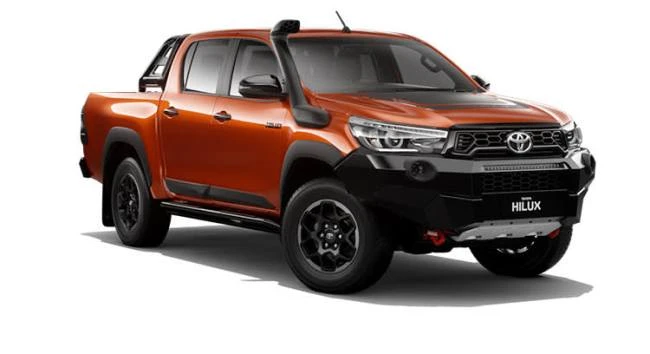
The FCAI chief executive, Tony Weber, said: “Given the broad range of environmental, financial, international and political issues facing Australia during January, it is no surprise to see the new vehicle market has reported a conservative start to the year.”
Japanese giant, Toyota, topped the ladder with 14,809 sales, making Toyota have a 20.6% share of the market. Mazda slid into second with 6,695 for a 9.3% share. Hyundai was nipping at the heels of Mazda with 5,443 and 7.6%. Mitsubishi made 4th with 5,108 sales or 7.1% whilst Kia snared 5th with 4,705 sales and 6.6%.
Toyota’s Hilux, with 2,968 sales, took out the number 1 sales position. Ford’s Ranger claimed 2nd with 2,624 sales. Toyota also grabbed 3rd thanks to the Corolla, with 2,370 sales. The RAV4 from the same maker was 4th with 2,290 sale, followed by the Mitsubishi Triton with 2,075 sales.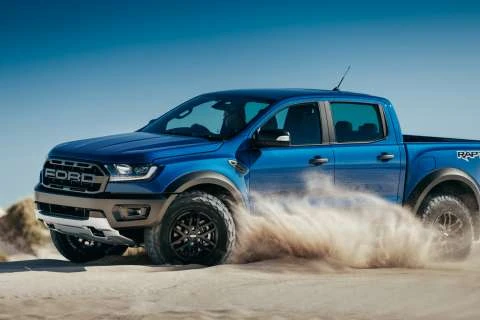
Mr Weber said of the updated VFACTS reporting system: “VFACTS is the most accurate source of data for the automotive industry. The updated VFACTS system is working well and automotive brands have welcomed its release. The benefits of the new system include improved data accuracy and more timely reporting lines.
 Level 2, 9 Help Street