

Archive for 2022
An FCEV for Our Environment

With the rising concerns over greenhouse gas emissions, the development of ammonia fuelled vehicles as environmentally friendly cars would have to look rather promising. A car running on NH3 – now what’s not to like about that?
Many scientists believe that it is urgent to reduce CO2 emissions because of the global warming effect that the gas has on the climate around the globe. Despite CO2 in the atmosphere being great for plant growth (some of the edges of the earth’s deserts are greening up again with increased CO2 in the atmosphere), and the earth’s water cycle playing a pivotal role in governing the earth’s temperature, the drive to create taxing emission standards and expensive alternatives continues to drive government policy worldwide. What if we gradually changed over to another source of energy so that everyone in the world could afford the switch, allowing people to maintain a higher standard of living?
Using CO2–free fuels to reduce the level of CO2 emissions could be a viable option in the current climate. So, what about ammonia?
An internal combustion engine (ICE) burns a fuel. Basically, you can convert an engine to run on any fuel such as fossil-fuels, hydrogen and ammonia, and there are many ways to do so. ICE engines are very good in combination with battery and hybrid systems. It would be a perfect solution to make a hydrogen-fuelled vehicle with hydrogen that has been cracked out of ammonia and stored in the vehicle. The ammonia would then be used to drive the electric propulsion system because an electric propulsion system is highly efficient. That would be a perfect vehicle.
The battery system in this model would not need to be anywhere near the size of a pure EV and anywhere near the weight. For instance, in a Tesla, the whole EV platform under the car is a battery pack that is massively heavy. A clean-burning ICE producing heat-waste from the combustion process could use this heat-waste to warm up the cabin’s interior on a cold day, cool the cabin down via a heat exchanger, and could also be used to cool and heat the battery accordingly for optimum battery operating temperatures.
You can store accessible hydrogen in the form of ammonia (NH3). Unlike hydrogen gas, which requires very low (cryogenic) temperatures to liquefy, ammonia becomes a liquid at –34°C. Ammonia also does so at room temperature and at 9 atmospheric pressures, making it much more convenient to use as a transportation fuel. Ammonia is comparatively inexpensive to produce, and the hydrogen can be separated out using catalysts without undue losses.
Essentially, you have a car with a combustion engine that is burning the hydrogen that is cracked out of the stored ammonia onboard the car to produce electricity. The engine would have an alternator as an electric motor that would power the drivetrain with electricity at close to 99% efficiency. This set-up is known as a Fuel Cell Electric Vehicle (FCEV).
The FCEV above uses stored ammonia that’s cracked onboard the car to produce hydrogen to run the electric drive train – only emitting water vapour and warm air as exhaust, and is considered a zero-emission vehicle. Now that sounds pretty smart, efficient and green to me!
What to Look for in a Family Car
The humble family car has become central to the everyday life of Australians right around the country. Whether it’s the school run, day trips or weekends away, you want to ensure that you have a vehicle that is cut out for the task.
With that, there are certain traits that endear themselves well when it comes to picking up a great family car. We take a look at some of these key features so that you know what to look for when searching for your next family car.
First-rate safety technology
When it comes to the family car, this is one area you don’t want to sacrifice. After all, nothing is more important than the wellbeing of your family, so it only makes sense to see to it that you protect them in every which way.
Opt for a vehicle that has a five-star ANCAP safety rating. These cars have passed strict testing to ensure they are among the safest vehicles on the road. You’ll also want to make sure that the car is equipped with the latest safety technology, including the likes of ABS, AEB, lane-departure and lane-keep assistance, blind-spot monitoring, rear-cross traffic alerts, reversing cameras and more.
Spend a little more on these areas, it doesn’t hurt to be safe and secure.

Comfort, amenity and space
For those long trips on the road, who doesn’t value a bit of extra comfort and leg room to keep everyone happy?
While the value of having additional seating cannot be overlooked – and it’s something we’ll touch on shortly – it’s also important to have space that allows everyone to be at ease.
Look for supportive and ergonomic seating, large windows (with sunshades) that afford rear-seated occupants plenty of visibility, and also rear climate control. Happy family, happy life!
Entertainment
As technology has become so ingrained in the latest vehicles, an increasing number of cars are equipped with fantastic entertainment options.
This includes in-car entertainment systems with rear-screens, but just as important – given our dependence on mobiles – is smartphone integration. It goes without saying, make sure there are plenty of ports available to recharge those mobiles as well!

Practicality
As a family you’ll often head out for a variety of purposes. This means that you’ll need a car with practicality to allow for such flexibility. Whether it be off-roading capabilities to help you embark on those camping plans, additional boot space for the kids’ sports gear, or compartments to keep all those extra items you need at hand, there is great value in searching for a car that is as much an ‘all-rounder’ as anything.
Extra seating
Earlier we briefly touched on the trade-off that comes with extra seating and leg room for everyone. Of course, it’s great to have capacity for up to 8 occupants, but if that means cramped conditions, no one will enjoy that. Fortunately, many of the latest SUVs and people-movers include third-row seats that can be configured and folded away when you don’t need them. The perfect solution to balance that predicament!
There you have it, these are the key things to look for in your next family car!
It’s School Run Time Again!
Well, the start of another school year is upon us, which means that the roads at certain times of the day are going to be super-busy as mums and dads do the school run. If your child is starting school for the first time or if he/she is going to a new school that’s beyond walking distance, you might be wondering about doing the school run for the first time. What do you need to know? And how do you get your car ready for the school run?

First of all, figure out whether you want to be part of a car pool scheme or whether you’re only going to pick up and drop off your own kids. This depends on a number of factors, including how large your family is and where all the other families involved in the car pool scheme live. It also depends on how large your family vehicle is. If what’s handy for the school run is a smaller two-door hatchback that requires passengers to do a fair bit of clambering in order to be squished in the back seat, then you may not be all that popular. However, if you have a minivan or MPV handy, then you’re probably the obvious choice for doing the school run.
If you choose to go down the car pool route, then sit down and negotiate everything with the others involved in the scheme. What happens when someone is ill or has an unexpected meeting at an awkward time? If someone has to do the lion’s share of the driving (that person with the seven-seater, for example), how will they be compensated for the extra fuel (or power) costs? Will the car pool only be for the mornings, or will it be for afternoons as well – and what happens when one (or more) of the kids has after-school sports or drama or something along those lines? Carpooling, while good in theory, might not work for everybody in all situations.
Getting The Car Ready
Here, we’ll assume that your situation is like mine: two kids and no nearby families, so you’re doing the school run on your own. Do you need to do anything to get your car ready specifically for the school run?
Your car will already be set up in many ways for carrying your own kids (booster seats, for example) but there may be a few more things that you need to think about. For example, will you carry school bags in the boot or in the car cabin? What happens if someone has to carry an extra-big delicate school project – where will that go? How will you make sure that the inevitable paper notices that kids come out of school clutching at the end of the school day don’t get lost in all the other bits that creep into a car’s cabin over time (we’ve all been there!). If you have some sort of system, the chances that an important notice will get lost in the seat-back storage pocket or in the footwell will be minimised.
Other things you might want to get ready include:
- Having USB chargers ready to go in case someone needs to charge their phone, tablet or laptop – especially if they have only just realised that the laptop has low battery and they’re going to be the first person to present a speech when they get to school.
- Snacks for after school. Kids are often hungry after a busy day, and this can make them grumpy and whiny, especially if you end up getting stuck in a traffic jam. Dried fruit, nuts, rice crackers and bliss balls are all easy to store in the glove box to restore flagging blood sugar levels while still being reasonably healthy.
- An umbrella. Weather can be fickle, and if you opt to park further down the road then walk to meet your kids at the school gate, there will inevitably be a day when you didn’t think it was going to rain but…
Cleaning your car before the school year begins is your choice, although I’d recommend giving the inside a good vacuum just to give it that fresh, new feeling that you always get at the start of a new school year. If your kids are old enough to be embarrassed by a dirty car exterior, or if they’re old enough to find writing “Clean Me” messages in the dust funny, they’re old enough to be made to wash the car themselves. You could make going to the car wash a bit of a weekly ritual – perhaps at the end of the week.
School Run Etiquette
When you do the school run, it’s important to be courteous and considerate of other parents and other children. Don’t go all Mama Bear, ready to run roughshod all over other people in order to get your kids. Every other parent is as stressed and protective as you are. What’s more, congestion and visibility are real hazards around school gates at the busy times of day. To ensure that everybody stays safe, follow the etiquette rules:
- Don’t double-park, park in bus stops or park in No Parking zones. Parking a little way down the road and having a short walk won’t do you or your kids any harm.
- Keep your speed down, no matter how busy or rushed for time you are.
- Respect zebra crossings – that’s a no brainer.
- Don’t honk your horn to get your child’s attention.
- Avoid getting into silly status games with other parents involving fashion, achievements and vehicle type.
- Respect rules such as the time limit in the “kiss and run” zones.
- Model the sort of patience that you would expect your kids to demonstrate, especially regarding places in the queue, waiting your turn and so forth.
- If someone else breaks these rules, refrain from shouting corrections and comments out the window. You don’t want to be a Karen.
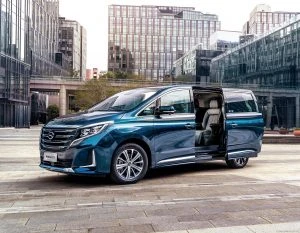
An MPV – Great for School Runs!
Look Twice at the Fine Print on Your New Car Warranty
If there is one thing we like to emphasise when you’re purchasing a new car, it is to read the contract carefully! Everything you need to know about your agreement will be detailed in the fine print, and as much as it can be an ordeal to trawl through, it’s ultimately in your best interests.
The fact that so many new car buyers avoid reading the fine print of their contract explains why we see one common misconception raise its head time and time again. So what is one of the common issues we see? Well, your new car warranty may have already commenced before you even set foot inside the dealership! Here’s what you should know.

Can the warranty begin before I’ve purchased a new car?
Even though you might be purchasing a brand new car, sometimes it pays to differentiate this in your mind from the fact that you might not be the first owner of the car. It sounds like a hard concept to understand, right?
Think of it this way. In some instances, dealerships will buy stock from the manufacturer. They then hold this stock on their books as an asset they own, held on their site, which ultimately becomes the asset that you own when you sign the contract.
Therefore, while you might be the first owner to take the vehicle out onto the road, that’s not to say you were the first person in possession of the vehicle. The impact of this means that your new car warranty could have already started when the dealer first bought the car.
Warranty and reporting new car sales
Let’s put it into another perspective. New car warranty starts when the vehicle has been declared as sold, not necessarily when you agree to buy it or receive delivery of the vehicle.
This practice ties in with one of the long debated complications associated with new car sales, where for years the industry has been able to report sales based on this approach despite vehicles still sitting on the showroom floor.
It prompted a flood of sales based on milestone targets that dealers were trying to achieve. It meant that the date a car was registered to a motorist was largely irrelevant. However, changes earlier this year have addressed this, clamping down on the matter and resulting in stricter reporting protocols.

How frequently does this occur?
Fortunately, however, in many instances dealers hold stock unregistered until they can find a willing buyer. This means that the new car warranty period has yet to commence and that you are receiving coverage across the period that you might expect.
Ultimately, practices differ from one brand and dealership to the next. The important thing for buyers is that you always follow up on this point. It’s only normal to expect that the warranty will commence on the day you step inside your new car, but this isn’t always practice. To avoid any misunderstandings or complications at a later stage, ask the dealer up front regarding the terms of the warranty and the start date for the policy.
Sometimes it pays to know what to ask, rather than expect you’ll be told everything based on one’s volition.
 Level 2, 9 Help Street