

Features of the future
Remember not so long ago, when only the top end luxury cars boasted central locking, cruise control, anti lock brakes? Now virtually all new cars have these features as standard items.
So what do we look at now as uber luxurious accessories that will be common place in a few years’ time? Our crystal ball has listed the ten most likely- see if you agree.
Visual Warning Systems
You could soon be driving in an aircraft-like cockpit environment if the boffins can safely adapt their warning systems to the highway.
You can already buy some European and Japanese cars that will warn you if you move out of your lane. There will also be detectors that can see that you are about to nod off, and in a couple for years or so your new car will be fitted with a laser or radar system that can sense an imminent crash and apply the brakes before you realise what is happening.
It won’t be too far away before we are seriously talking about the driverless car.
Rear Cameras and Park Assist
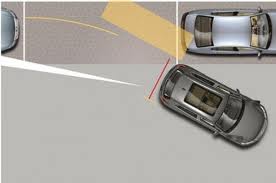
Most new cars now have reverse parking audible warning, many are now fitted with reversing cameras (but often as an optional extra), and some, including the Ford Focus, can be purchased with full Park Assist. Depending on consumer response, we reckon that fully automated park assist will be available in Commodores and Falcons (or the future versions of them) within three years.
Pedestrian Detection and Night Vision
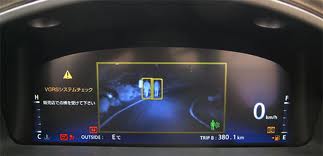
Night Vision is a system designed to increase a car driver’s perception and seeing distance in the darkness or poor weather conditions beyond the reach of the vehicle’s headlights. These systems are available now , but only on luxury vehicles. But this is a true safety advance that can significantly reduce road casualties, so we can see it gaining widespread acceptance within the next couple of years.
Adaptive Cruise Control.
Most cars can now be fitted with cruise control. The latest twist is ‘adaptive cruise control’. One of the dangers of cruise control is that drivers relax too much, get too close to the car in front, jam on their brakes and cause an accident. Adaptive cruise control cleverly senses getting too close, slows your car down, and then speeds up again when it’s safe to do so. Currently most luxury car makers can offer you this option but it won’t be long before it filters down the range.
.jpg)
Bluetooth and Voice Prompts
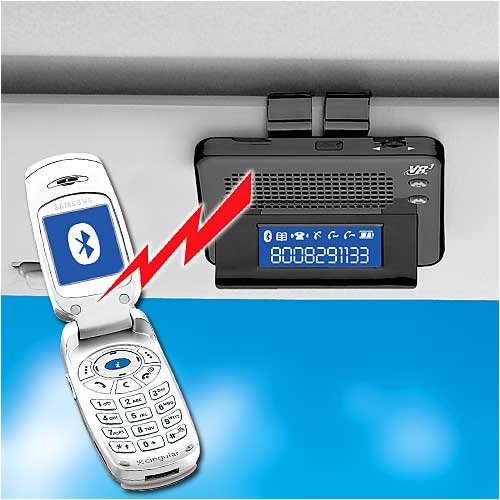
Authorities are clamping down on mobile phone use in cars, but hands-free Bluetooth saves a fine. Now most new cars have Bluetooth, but soon they will also have voice prompts, where you can tell your phone to make a call, change song tracks, radio stations, and, if you have an intergrated navigation system, you’ll easily be able to speak your destination,or ask your nav. man to find a restaurant stop along the way!
Electric Cars and Hybrids
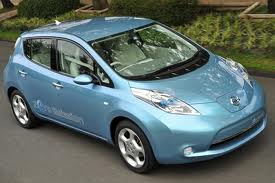
Electric cars are here now and there’s more to come. But they’re expensive. Same goes for hybrids. But prices are coming down quickly. Toyota are developing an entry level hybrid. Nissan will be launching their “Leaf” Electric Vehicle, pricing it around $51,000, in a few months, whilst Holden are introducing their Volt electric car in Australia later this year. It will be priced at around $60,000, but massive fuel savings will partly compensate the initial outlay of these vehicles.
Car makers will be carefully monitoring consumer acceptance of these technologies. The more cars that are sold, the cheaper they’ll become. Will they be the dominant force in the future? Well, our crystal ball doesn’t tell us that, but if they can successfully overcome a few hurdles on the way, they certainly could succeed.
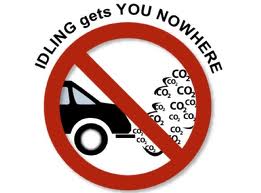
Stop/Start Technology
The humble Volkswagen Polo scored a scoop with its stop/start technology in Europe, where the car automatically shuts down and restarts at traffic lights and other minor delays. They were a little disconcerting in their early days, but later versions work almost seamlessly, and the owner is rewarded with significant fuel savings. Some of the more economical brands that already offer this feature include Smart, Mini, Mazda, Subaru and Kia.
Keyless Entry
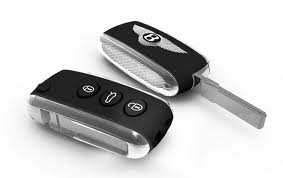
Bentley owners know about keyless entry, and Toyota owners will soon know, too. Your key fob rests in your pocket or handbag. As you approach your car it senses your presence and magically unlocks itself. At night time it also turns on its headlights to help you find your way. When you get in your car you press your ignition button without having to search pockets and handbags for your elusive ignition key. You don’t need it, your car knows it’s in your pocket and that’s good enough to get you going.
9. Blind Spot Detection
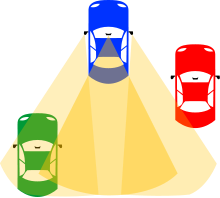
Rear view mirrors are a necessity for safe driving – but beware the blind spots. Cars travelling alongside, or slightly behind, are often missed. You know about it as soon as you attempt a lane change! Many luxury cars now have sensors that pick cars up in the blind spots and transmit a warning light to the rear view mirror. This is a great safety aid, that has already worked its way down to Volvo, Mazda and others, and will soon be a valuable option for economy cars.
And What Else Is On The List?

Some cars offer self healing paint – is this going to catch on? What about vehicle to vehicle communications? Or refrigeration boxes for your stubbies. Or kevlar car panels that are exceedingly strong, yet light, resulting in great weight savings and improved fuel consumption? Or running on air (and that’s not so far fetched, see here)
 Level 2, 9 Help Street